Four Working Guides for Buyers Building a Denim Range
4 step-by-step guides: launching a denim brand, vetting a China factory, grading fits for wholesale buyers and running a private label range.
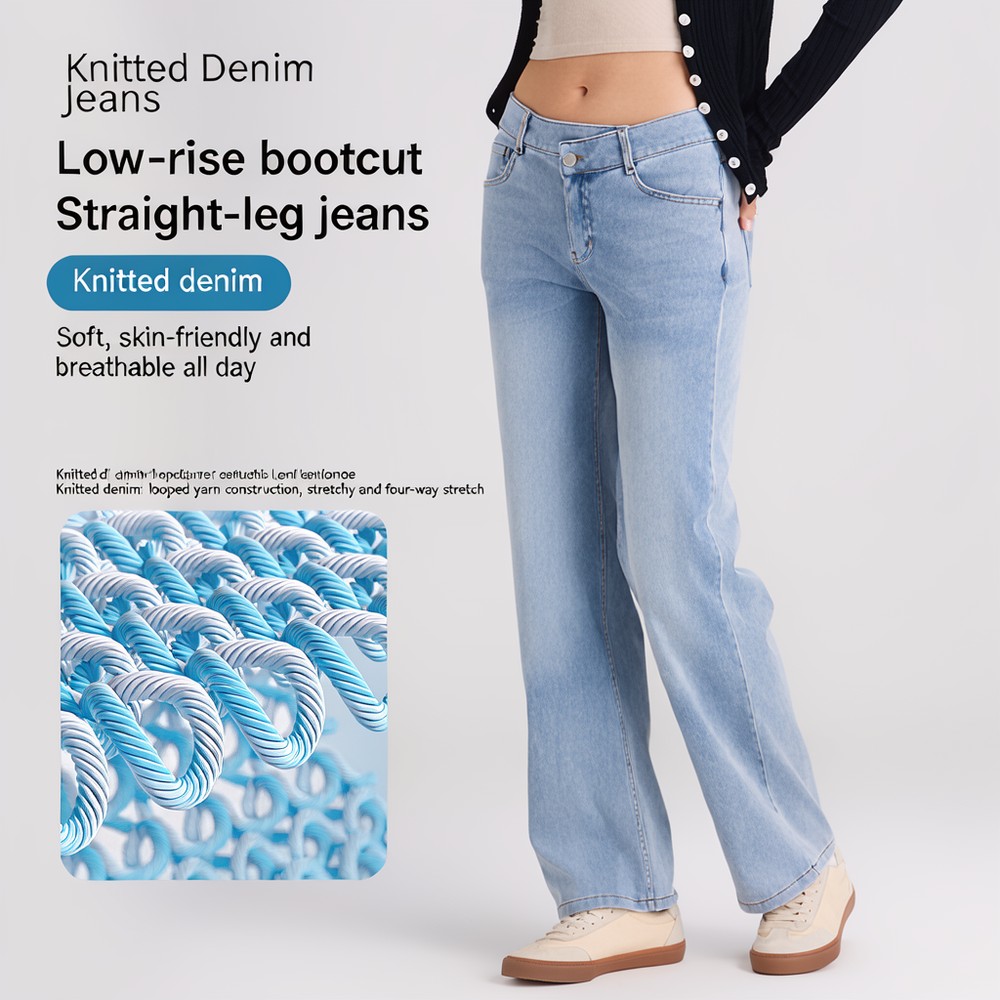
These four guides follow the order a buyer actually works in: decide what to make, choose who makes it, get the fit approved, then put your label on it. Each one ends with the documents you should have before you pay a deposit.
They are written from the factory side of the table, which means they tell you what a supplier is likely to leave out of a quote and which questions expose it. No theory, no brand-building advice — just the steps, the numbers and the files.
- 4 guides covering launch, sourcing, fit and private label
- Each guide lists the documents to collect before a deposit
- Numbers throughout: MOQ, lead times, tolerances and costs
- Written by merchandisers who quote these orders every week
Read them in order for a first range, or jump to the one that matches your current problem.
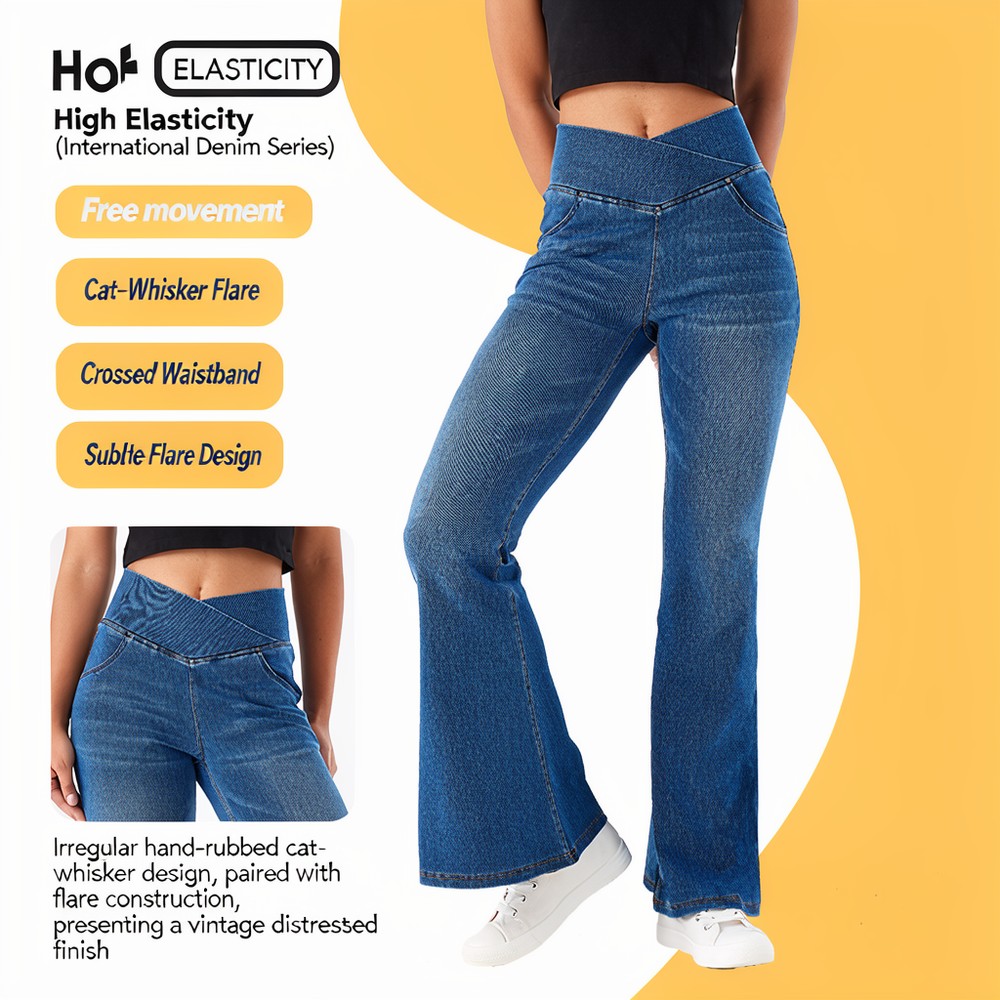
How to start a denim brand
Range size, fabric choice, first MOQ and the 5 documents you need before sampling.
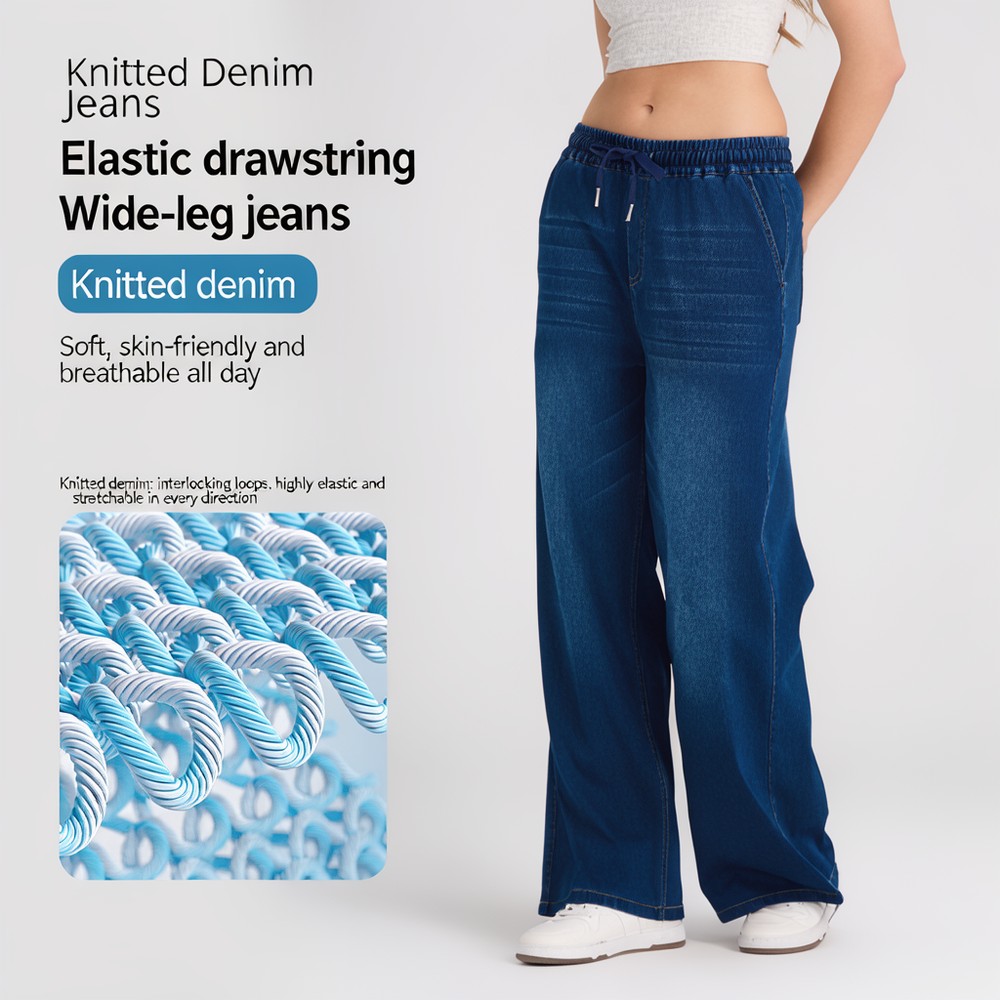
How to choose a jeans manufacturer
Seven questions that separate a plant from a trader, and what to ask for in writing.
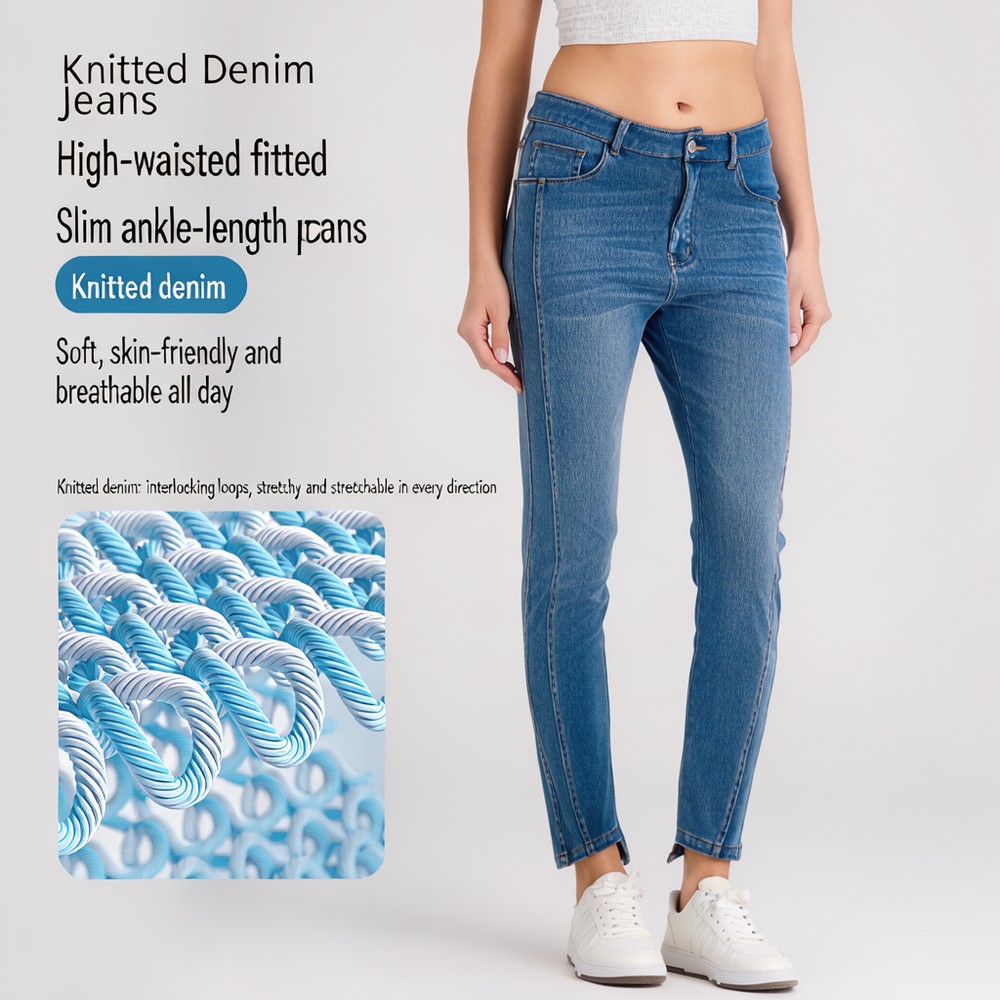
Jeans fit guide for wholesale buyers
Rise, thigh, knee and hem: how to grade a fit that sells across 6 sizes.
Private label denim guide
Labels, patches, packaging and the 300 pc minimum that makes it work.
What the guides will not do
They will not design your collection or price your retail. What they will do is stop the four failures we see most: a range too wide for the first MOQ, a factory chosen on price alone, a fit approved on one size, and a label ordered before the wash standard was signed. Fix those four and the first order usually lands on time.
- Start a denim brand — the 300 pcs question and how to answer it.
- Choose a manufacturer — audit requests and red flags in a quote.
- Fit and grading — where to add and where not to.
- Denim wiki — the vocabulary the guides assume.
If you would rather work through it with a merchandiser, book a 30-minute call and bring your range plan.
Do I need a tech pack to use these guides?
No, but the guides assume you are preparing one. The launch guide lists the 5 documents a factory needs before sampling, and a measurement chart plus a fabric reference covers most of it. If you only have a reference garment, that works too.
Which guide should a first-time buyer read first?
Start with how to start a denim brand. It sets the range size, the fabric weight and the first MOQ, which are the three decisions that determine your cost per unit. The other three guides make more sense once those numbers exist.
Are the guides based on your own lead times?
Yes where they quote production numbers: 300 pcs per style per color, 7–10 working days for a sample, 25–35 days for bulk. The sourcing and fit guidance applies to any supplier, so you can use it to compare quotes, including ours.
Can you review my range plan before I commit?
Yes, on a call or by email, at no charge. Send the styles, target retail prices and launch date, and we will tell you which parts of the range are viable at 300 pcs and which should wait for a second drop.
Do the guides cover kids and plus-size ranges?
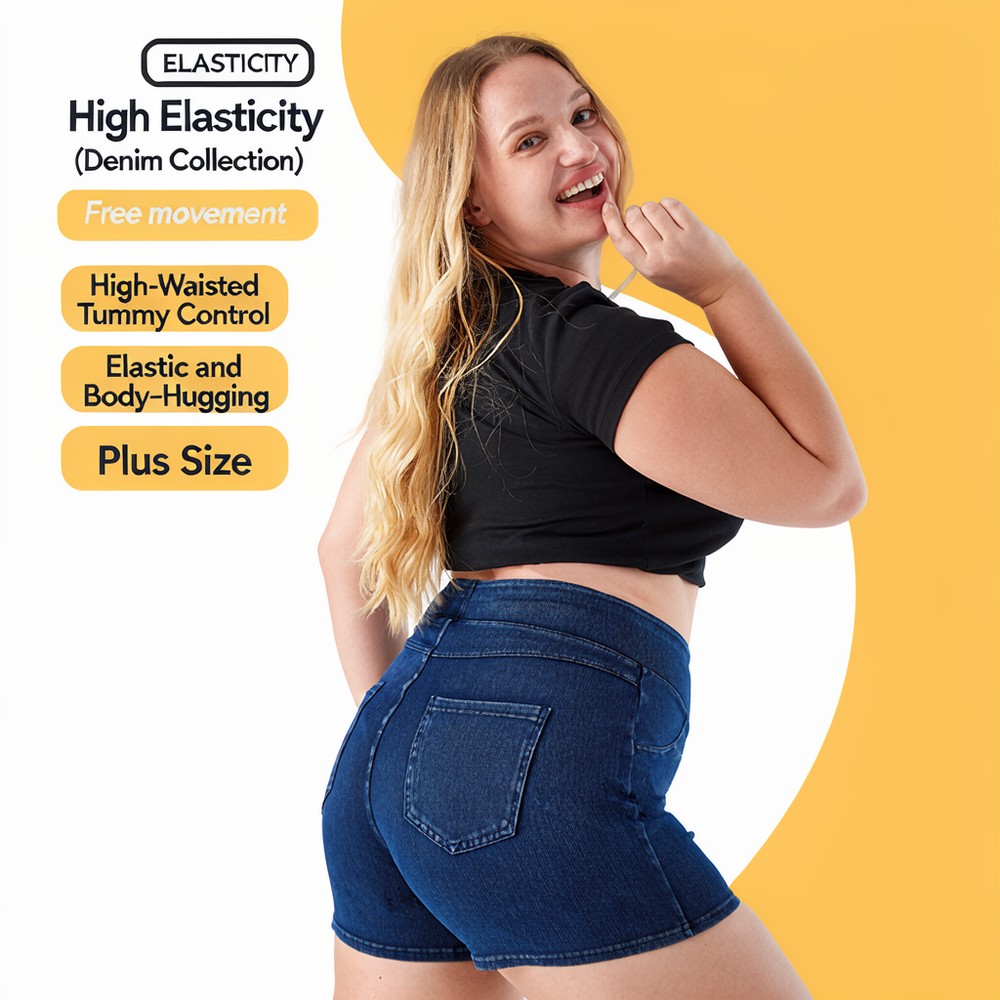
Partly. The fit guide explains grade rules, which apply to kids and plus sizes with different increments, and we can send the increments we use for 28–46 waist and for kids' 2–10. Those two charts cover most first ranges we quote.
Tell us what you want to make
Share the style, target quantity and launch date. You get fabric options, wash recommendations, a sampling date and a factory-direct quote — usually within 12 working hours.