Black Denim That Holds Its Shade Through 30 Washes
Black denim jeans from 300 pcs per style: sulfur bottoming, overdye and grey-cast control in 10–14 oz denim, sampled in 7–10 days.

Black denim is the easiest shade to sell and the hardest to repeat. The difference between a sulfur black and a reactive black is not visible on a swatch, but it is obvious on a shelf after 10 washes — one stays black, one turns charcoal.
We keep both chemistries in the wash house and tell you which one your target price can carry, with a crocking result and a shade reading for each batch instead of a promise. A jean that photographs well but fades in a month is a return, not a launch.
- Shades: jet black, charcoal, grey-cast and washed black
- Cloth: 10–12 oz stretch, 12–14 oz rigid, 12 oz black selvedge
- MOQ 300 pcs per style per color; bulk in 25–35 days
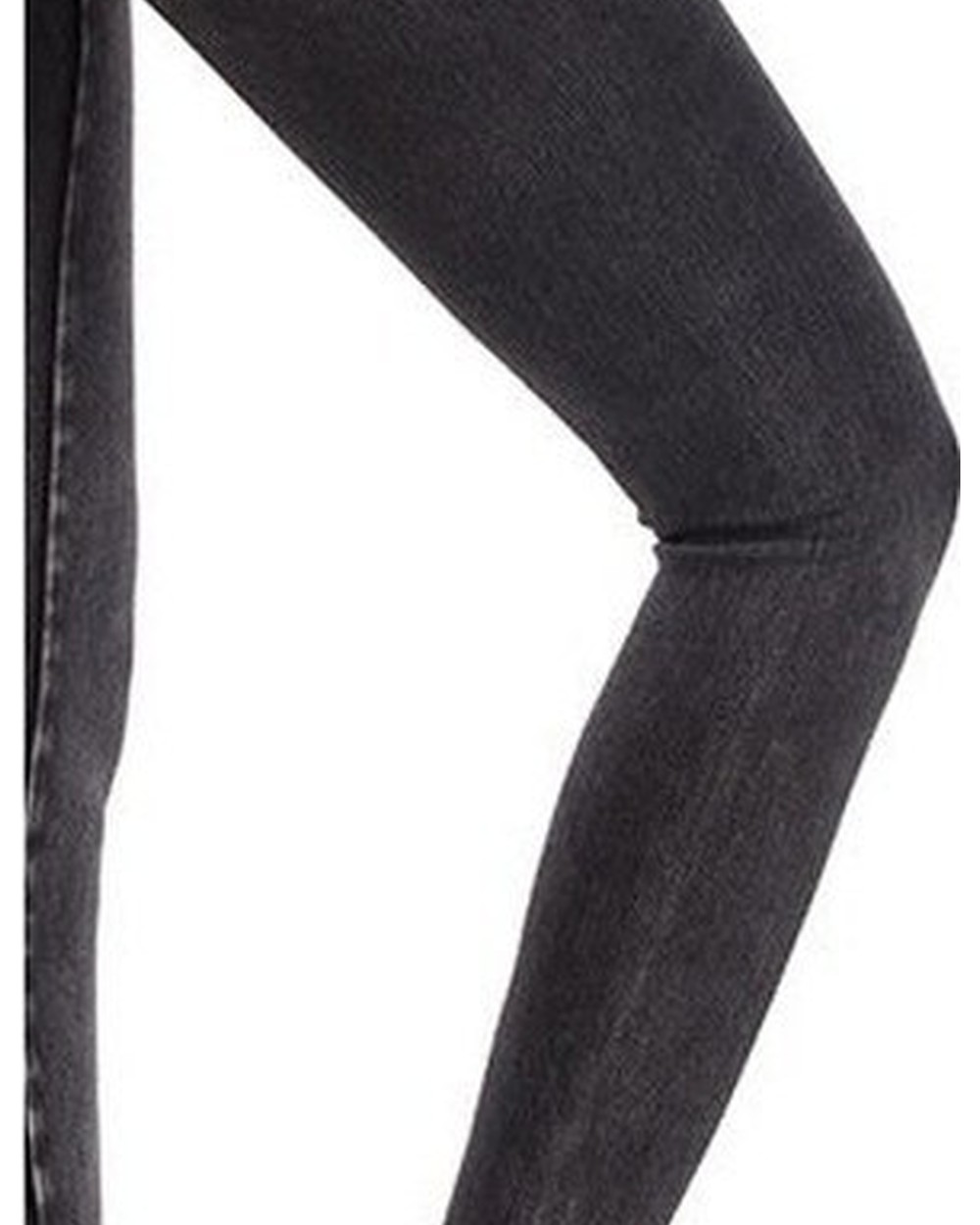
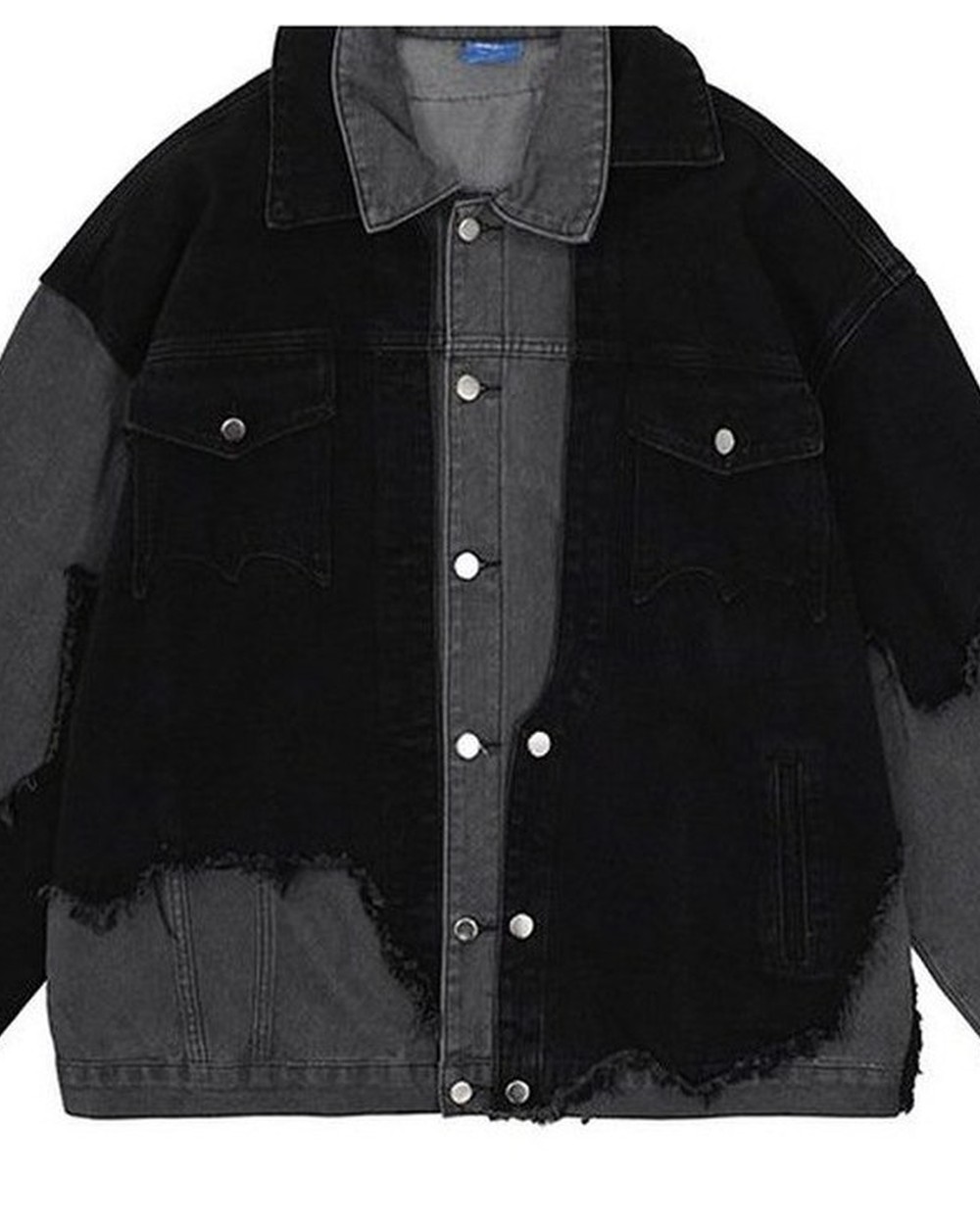
Three patterns in the black range, from a clean skinny to a sulfur-dyed trucker that shares the same lot as the jeans.

Men's Black Slim
11.5 oz stretch, 2% elastane, sulfur black, 15 cm hem, tonal stitch.

Women's Black Skinny
10.5 oz stretch, 29 cm rise, 12 cm hem, overdye with grey topstitch.
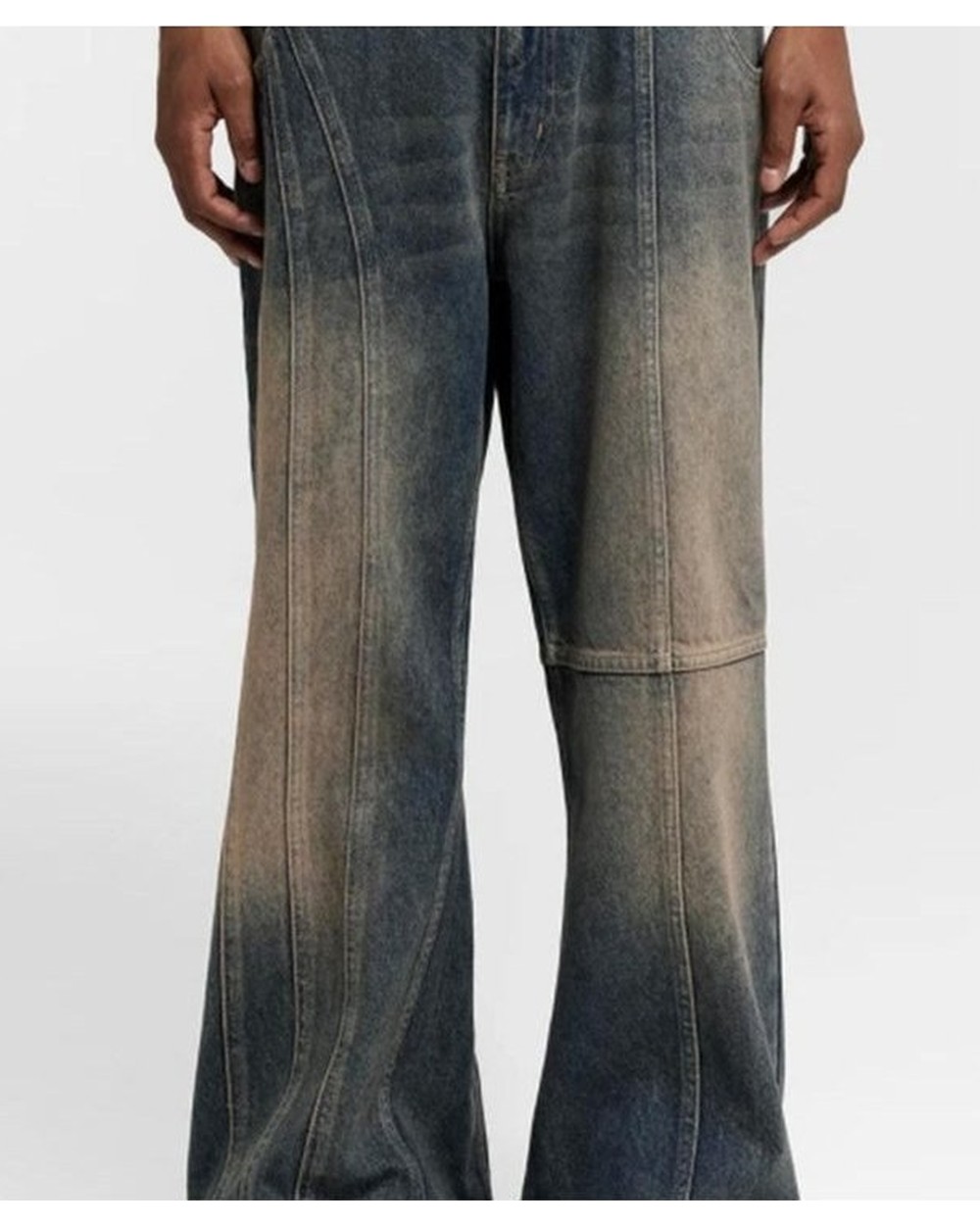
Black Trucker
12 oz rigid, sulfur black, same lot as the jeans, 8-8 yoke seams.
Tell us whether the black must stay black or fade to grey; that answer sets the dye chemistry and the price.
- Fabric: 100% cotton rigid, cotton/elastane 98/2, cotton/poly, black selvedge
- Weight: 10–12 oz stretch, 12–14 oz rigid, 6–8 oz for shirts
- Dye chemistry: Sulfur bottoming, reactive, or sulfur over reactive
- Shade options: Jet black, charcoal, grey cast, washed black, overdyed black
- Shade tolerance: ±0.8 ΔE against the approved standard, measured per batch
- Crocking: Dry and wet crocking tested before bulk release
- Stitching: Tex-80 topstitch, tonal black or contrast grey, no dye-bleed thread
- Hardware: Matte black, gunmetal or nickel-free brass, YKK zip
- Sizes: 28–46 waist, US 0–20, XXS–3XL
- MOQ: 300 pcs per style per color
- Sampling: 7–10 working days, 10–14 with new dye development
- Bulk lead time: 25–35 days after PP sample approval
Black cloth shows every needle mark, so we run a size 14 needle instead of 16 and change it every 8 hours. It also shows chalk and oil, which means the finishing table wipes each garment before packing — a step that adds about 40 seconds per piece.
Hardware, label and packaging change per order as usual. The one thing we will not change quietly is the dye route: switching a reorder from sulfur to reactive saves money per unit and changes the fade within two washes.
- Dye: sulfur, reactive or overdye, stated on the order sheet
- Wash: rinse, stone, tint, grey-cast fade, laser whisker, resin
- Hardware: matte black, gunmetal, antique nickel, tonal shank
- Trims: black leather patch, tonal woven label, black rivets
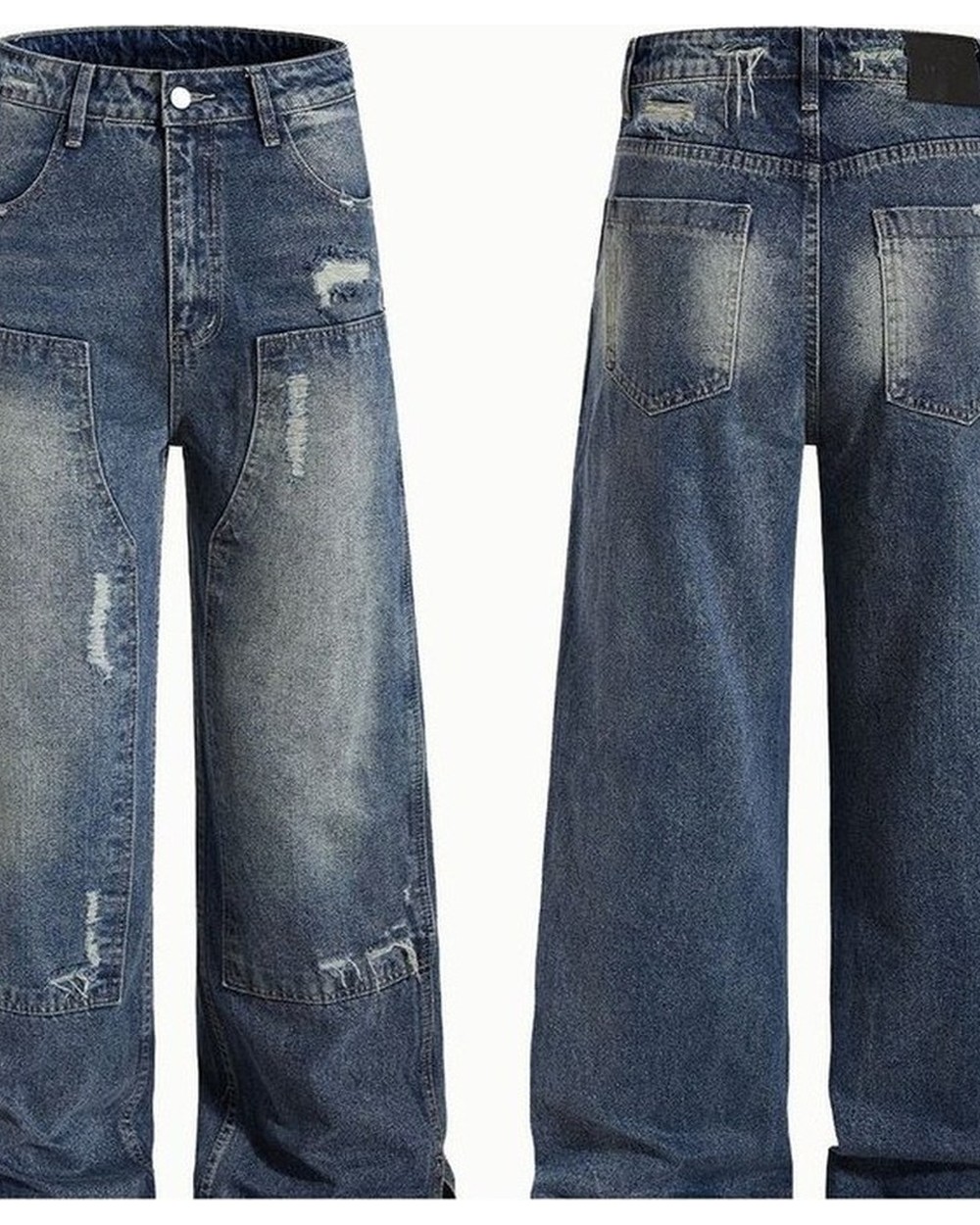
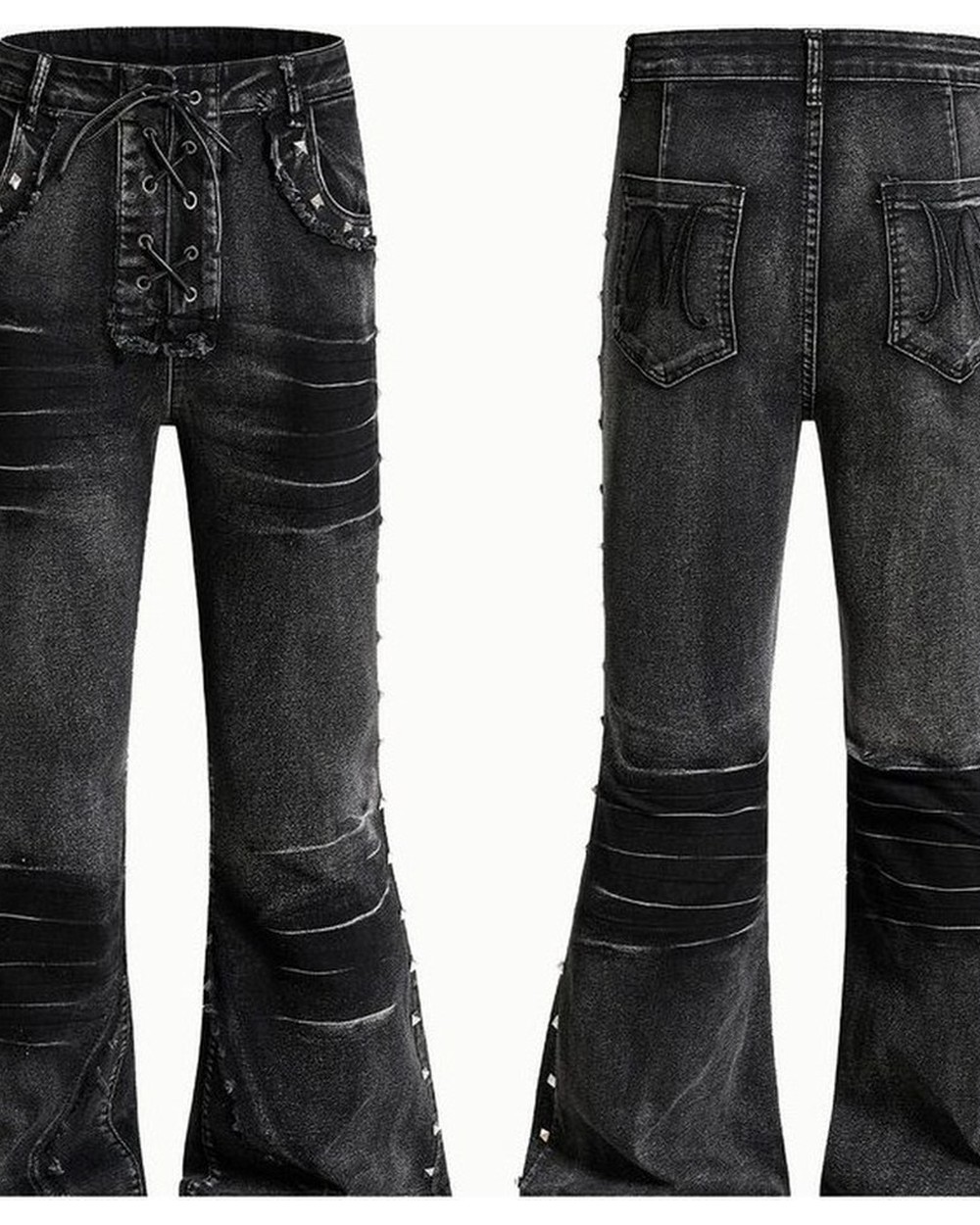
Four finishes that show how far a black jean can move without turning grey.

Why black drifts grey
Two buyers order black denim. Streetwear and DTC labels want a deep jet black that stays dark for the first 20 washes. Vintage and workwear labels want a black that fades to grey along the seams and thighs, and they pay for the extra chemistry. Those are different products with different dye routes, and a factory that quotes both from one price is guessing.
The usual failure is a shade mismatch between panels. A waistband cut from one roll and a leg from another can differ by 1.5 ΔE after washing even when both read black in the greige store. We cut each color from a single shade band and record the roll numbers on the order. The second failure is crocking: sulfur black that was not fixed properly rubs off on pale upholstery, which is a return you cannot argue with.
- State whether the black must stay black or fade — the two need different chemistry.
- Ask for a crocking result with the sample, not only a shade reading.
- Keep every panel of one garment from the same roll lot, and note it on the spec sheet.
What is the difference between sulfur and reactive black?
Sulfur black sits on the outside of the yarn and fades to grey with abrasion, which suits vintage looks. Reactive black penetrates the fiber and holds its depth for 30+ washes, at roughly 8% more dye cost. We stock both and quote the route your fade target needs.
Will a black jean crock onto light clothes?
Not after we fix it. We test dry and wet crocking on every batch and hold anything below a grade 4 on the grey scale. Unfixed sulfur black commonly fails at grade 2–3 in the first two weeks of wear, which is why the fix is written into the recipe.
Can you match a black denim from a photo?
A photo tells us whether you want jet or charcoal, nothing more. Send a swatch or a garment; black photographs as a flat block and hides the blue or brown undertone that decides whether the jean looks cheap on a shelf.
Do you make black selvedge denim?
Yes, 12 oz shuttle-loom cloth with a black or red selvedge ID, sulfur-dyed. It is a niche order and the cloth minimum is 300 pcs per color, which is exactly the style minimum, so a single-style run works without buying extra fabric.
Why does black denim cost more than indigo?
Two reasons: black dye is about 8–12% dearer per meter, and the finishing line spends roughly 40 extra seconds per garment on lint and oil removal because black shows every mark. At 300 pcs that adds up to a few percent on the unit price.
Tell us what you want to make
Share the style, target quantity and launch date. You get fabric options, wash recommendations, a sampling date and a factory-direct quote — usually within 12 working hours.