Denim Jacket Manufacturing From the Armhole Out
Denim jacket manufacturing in 10–14 oz: set-in sleeves at a 12–18 degree pitch, a 2-piece yoke and 7–10 day sampling before bulk.
A denim jacket is judged at the armhole. Two centimeters too low and the sleeve lifts the whole body when you raise an arm; a sleeve pitch that is 5 degrees off twists the seam to the front and never hangs straight.
We cut trucker, oversized, cropped and sherpa-lined jackets in 10–14 oz denim, with set-in sleeves, a 2-piece yoke and a sleeve pitch set at 12–18 degrees forward for a natural hang.
- 10–14 oz denim, 12 oz standard, 8–10 oz lining
- Armhole 46–52 cm circumference at size M
- Sleeve pitch 12–18 degrees forward
- 2-piece yoke, 6 mm flat-fell seams, shank buttons
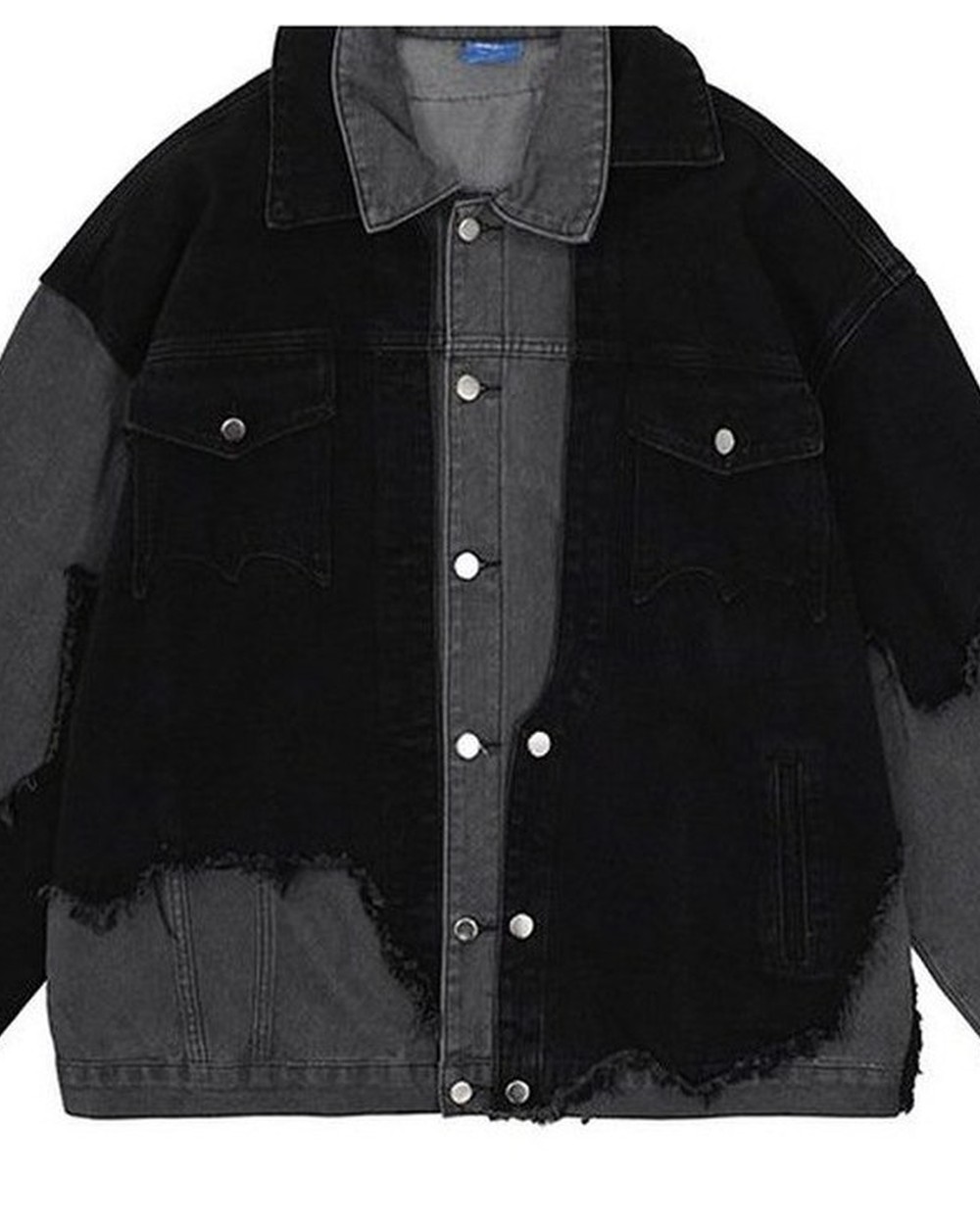
Set-in sleeves on denim are unforgiving. The armhole curve, the sleeve cap height and the shoulder slope have to agree, or you get drag lines from the armpit to the chest and a jacket that rides up when the wearer reaches forward.
We draft the armhole at 46–52 cm for a size M, with a sleeve cap 2.5–3.5 cm higher than the armhole curve. The pitch, the forward rotation of the sleeve, sits at 12–18 degrees, which is where a human arm hangs, not where a flat pattern lies.
- Armhole 46–52 cm at size M, graded 1.5 cm per size
- Sleeve cap 2.5–3.5 cm above the armhole curve
- Pitch 12–18 degrees forward, checked on a fit model
- 2-piece yoke with a 1 cm drop and a 9 cm depth
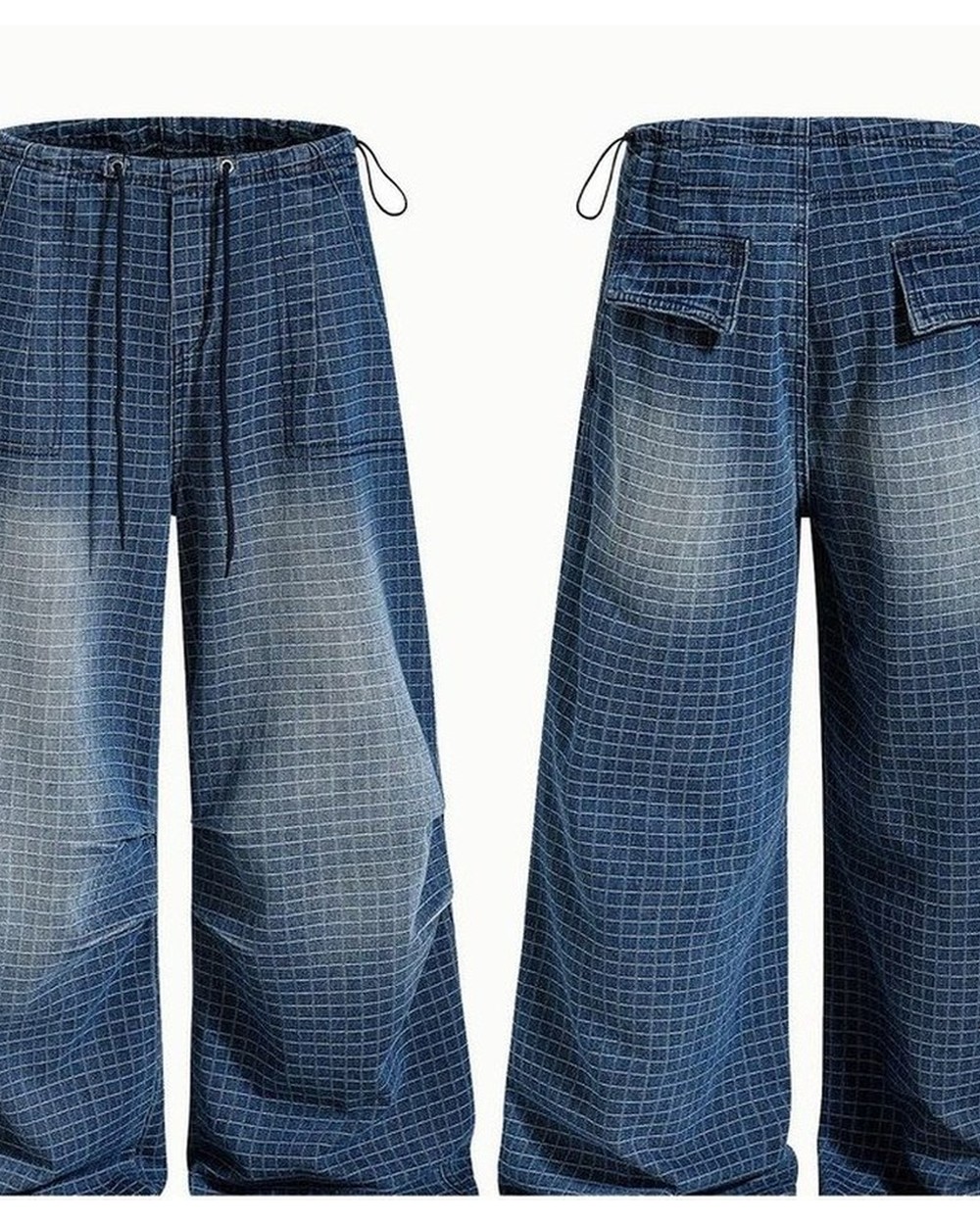
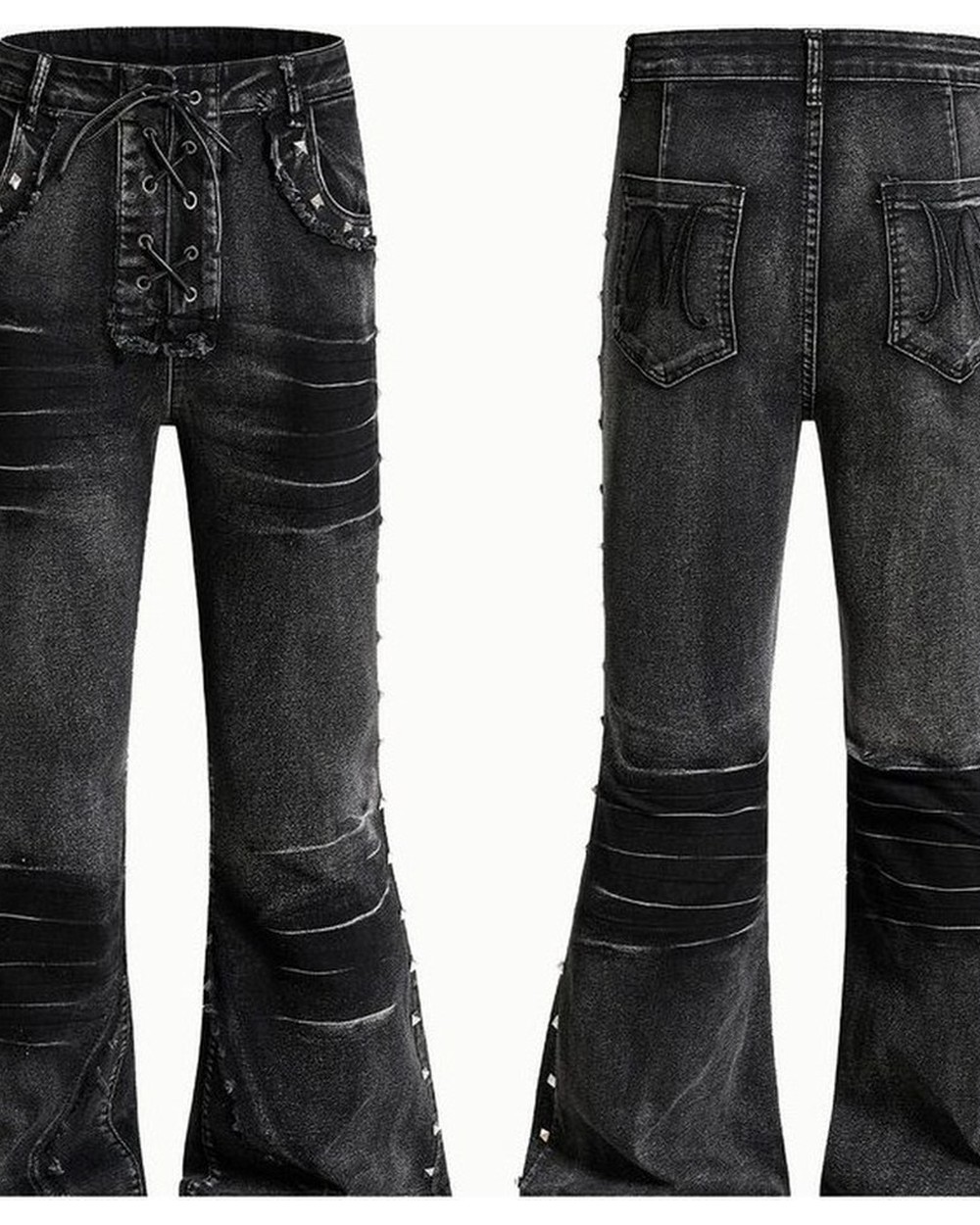
Three bodies, the same armhole and sleeve pitch discipline.
The yoke carries the back of the jacket. A 1 cm yoke drop changes where the shoulder seam sits and how the back drapes; 2 cm is a design choice, 3 cm is a different jacket. We keep the yoke depth at 8–10 cm and check it against the pattern, not the sample photo.
Shoulder slope is the hidden variable. A pattern drafted for a 20-degree slope on a 15-degree shoulder produces a fold at the back neck and a jacket that pulls across the chest. We measure the fit model's slope before the first sample, not after the third.
- Yoke depth 8–10 cm, matched to the shoulder slope
- Shoulder slope measured on the model, 15–22 degrees
- 6 mm flat-fell seams, chain-stitched hems
- Buttonholes 2.5 cm, reinforced with stay tape
For a trucker block with a sherpa lining on 700 pcs.
01 — Pattern and slope check
Block reviewed; shoulder slope and armhole measured on the fit model. 1–2 days.
02 — Toile and sleeve set
Cotton toile cut and sewn; sleeve pitch adjusted on the body. 3–4 days.
03 — Denim sample
Final sample in 12–14 oz, washed if required, with lining set. 3–4 days, so 7–10 days total.
04 — PP approval
Fit, pitch and wash standard approved and sealed with the order. 2 days.
05 — Bulk
Cutting, sleeve setting, washing, buttonholing and finishing. 25–35 days.
Measured on the sample and checked against the pattern, not the drawing.
- Fabric weight: 10–14 oz denim; 8–10 oz sherpa lining
- Armhole: 46–52 cm circumference at size M
- Sleeve pitch: 12–18 degrees forward
- Sleeve cap: 2.5–3.5 cm above the armhole curve
- Yoke: 2-piece, 8–10 cm deep, 1 cm drop
- Body length: 60–66 cm at size M
- Seams: 6 mm flat-fell, chain-stitched hem
- Buttons: 6 shank buttons, 17 mm, nickel-free option
- Pockets: 2 chest flap pockets, 2 side pockets
- Sizes: S–XXL men, XS–XL women
- Sampling: 7–10 working days
- Bulk: 25–35 days after PP approval
Weight decides the jacket, not the wash
A 10 oz jacket is a shirt-jacket: it packs, it layers, it photographs soft. A 14 oz jacket is outerwear: it holds a collar, it creases at the elbow, and it takes 15% longer to wash because the drum load has to drop. Most buyers land on 12 oz because it does both jobs without doing either one sharply. That is a compromise, and it is usually the right one for a first jacket.
The cost trade-off is in the sleeve. Setting a sleeve into a 14 oz armhole takes 2–3 minutes longer than a 10 oz one, and the failure rate on the first 100 pcs is higher until the operator adjusts. That learning curve is why a first jacket order should stay on one weight and one armhole, and add the oversized block only after the trucker is approved.
- Shirt-jacket: 10 oz, patch pockets, no lining.
- Core trucker: 12 oz, 6 buttons, flat-fell seams.
- Outerwear: 14 oz, sherpa lining, 2-piece yoke.
What denim weight do you use for jackets?
10–14 oz, with 12 oz as the standard trucker weight and 8–10 oz sherpa for linings. A 14 oz jacket holds a collar and creases at the elbow like outerwear; a 10 oz one layers like a shirt. The weight also changes wash time by about 15%.
Can you copy a trucker jacket from a sample?
Yes. We measure the sample, draft the armhole and sleeve cap, and cut a cotton toile before the denim sample. The first sample takes 7–10 working days, and the fit model's shoulder slope is measured so the yoke and pitch are not copied blindly.
Why does the sleeve twist on some jackets?
Sleeve pitch. A sleeve set at 0 degrees hangs straight on a table and twists forward on a body. We set 12–18 degrees of forward pitch and check it on a model with the arm raised, because a 5 degree error shows as a diagonal pull at the chest.
What is the minimum order for denim jackets?
300 pcs per style per color, the same as jeans. Jackets carry more operations per unit, so a first order usually stays on one block and one weight. Add the oversized or cropped block after the core jacket is approved.
Do you make sherpa-lined denim jackets?
Yes, with an 8–10 oz sherpa body lining and a quilted sleeve lining so the arm still moves. The shell stays 12 oz, and the lining is cut 1 cm shorter to avoid peeking at the hem. Sampling runs 7–10 days with the lining set.
Tell us what you want to make
Share the style, target quantity and launch date. You get fabric options, wash recommendations, a sampling date and a factory-direct quote — usually within 12 working hours.