How We Cut Water, Chemistry and Waste on Denim Orders
OEKO-TEX Standard 100 yarns, GRS recycled cotton and ZDHC-aligned wash chemistry, plus 12 wash recipes and laser and ozone finishing.
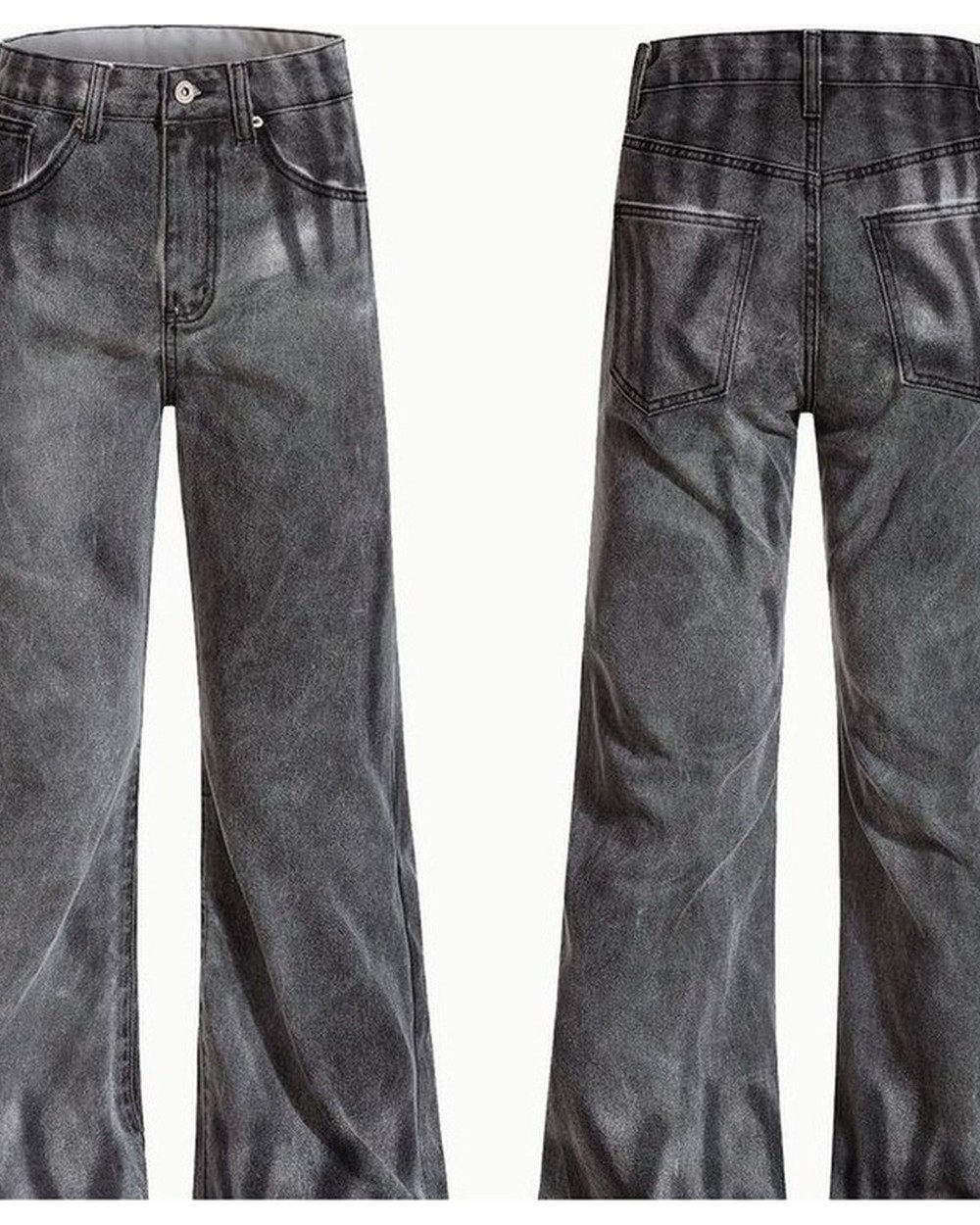
Denim is a wet product. A single stone wash can use more water than the sewing of the garment, and the chemistry that creates the hand-feel is where most of the environmental cost sits. That is why our sustainability work starts in the laundry, not in a brochure.
We buy OEKO-TEX Standard 100 yarns, hold GRS-certified recycled cotton, run ZDHC-aligned wash chemistry and operate an ISO 9001 quality system in a BSCI-audited unit. Those are auditable inputs, and we will send the certificates your compliance team asks for.
- OEKO-TEX Standard 100 yarns and GRS-certified recycled cotton
- ZDHC-aligned chemistry across 4 laundry lines and 12 recipes
- Laser and ozone finishing available instead of hand sanding and stone
- BSCI-audited sewing unit, ISO 9001 quality system, certificates on request
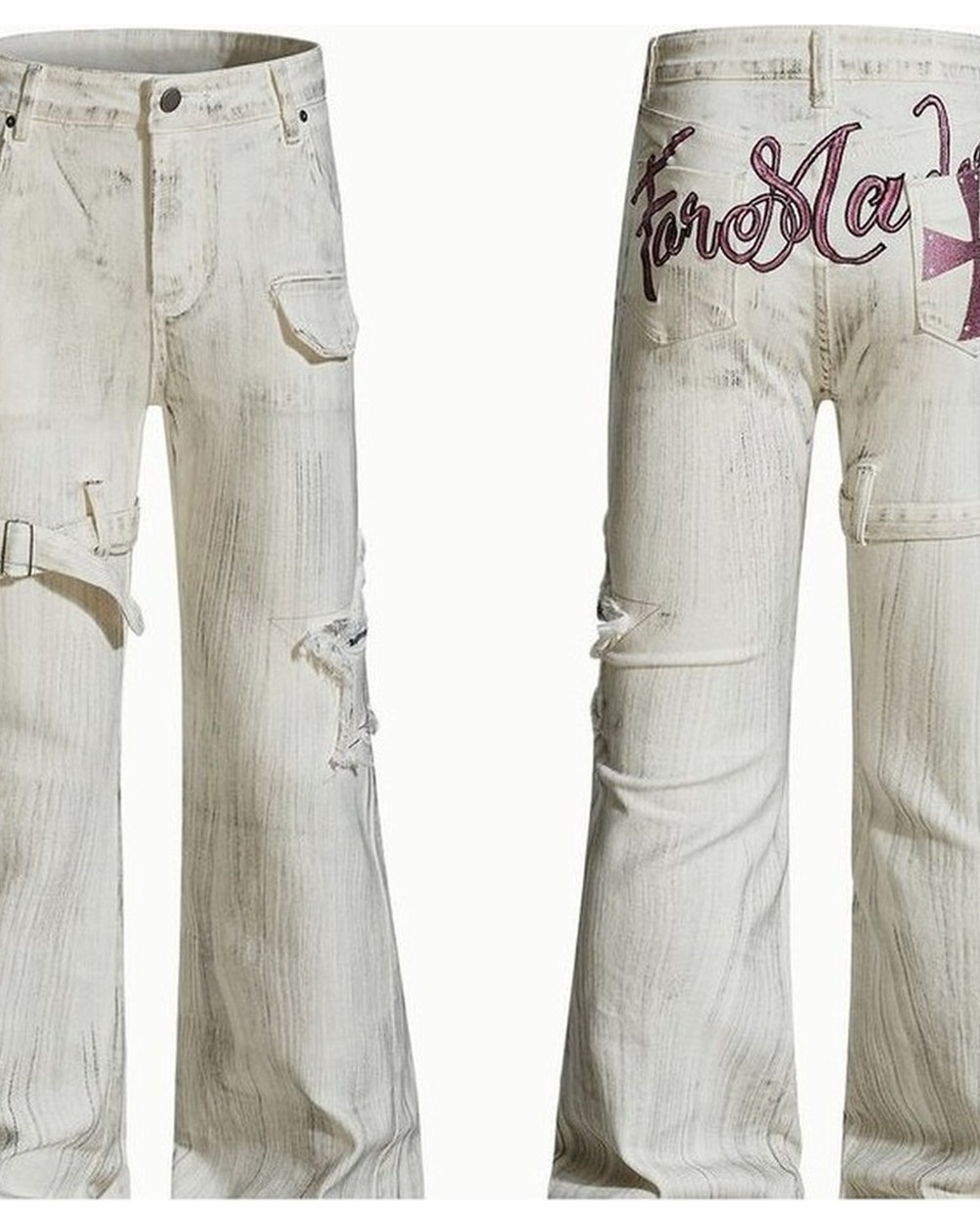
Two jeans with the same look can carry very different wash loads. A stone wash uses pumice and long cycle times; an enzyme wash reaches a similar hand with a shorter cycle and no stone. A laser whisker replaces hand sanding, and an ozone rinse replaces part of the bleach step.
We quote the recipe, not just the look. If your target shade can be hit with enzyme and laser instead of stone and bleach, we will show you both samples and the difference in laundry time, because the cheaper route is usually also the lighter one.
- 12 stock recipes: rinse, stone, enzyme, acid, bleach, overdye, tint, whisker, destroy, ozone, laser, resin
- Laser and ozone options quoted alongside the conventional route
- Lab dips on your fabric so the shade is approved before bulk
- Batch size 300–600 pcs per drum, so a small order does not run a full drum empty
Each claim maps to a document, and each document is available on request.
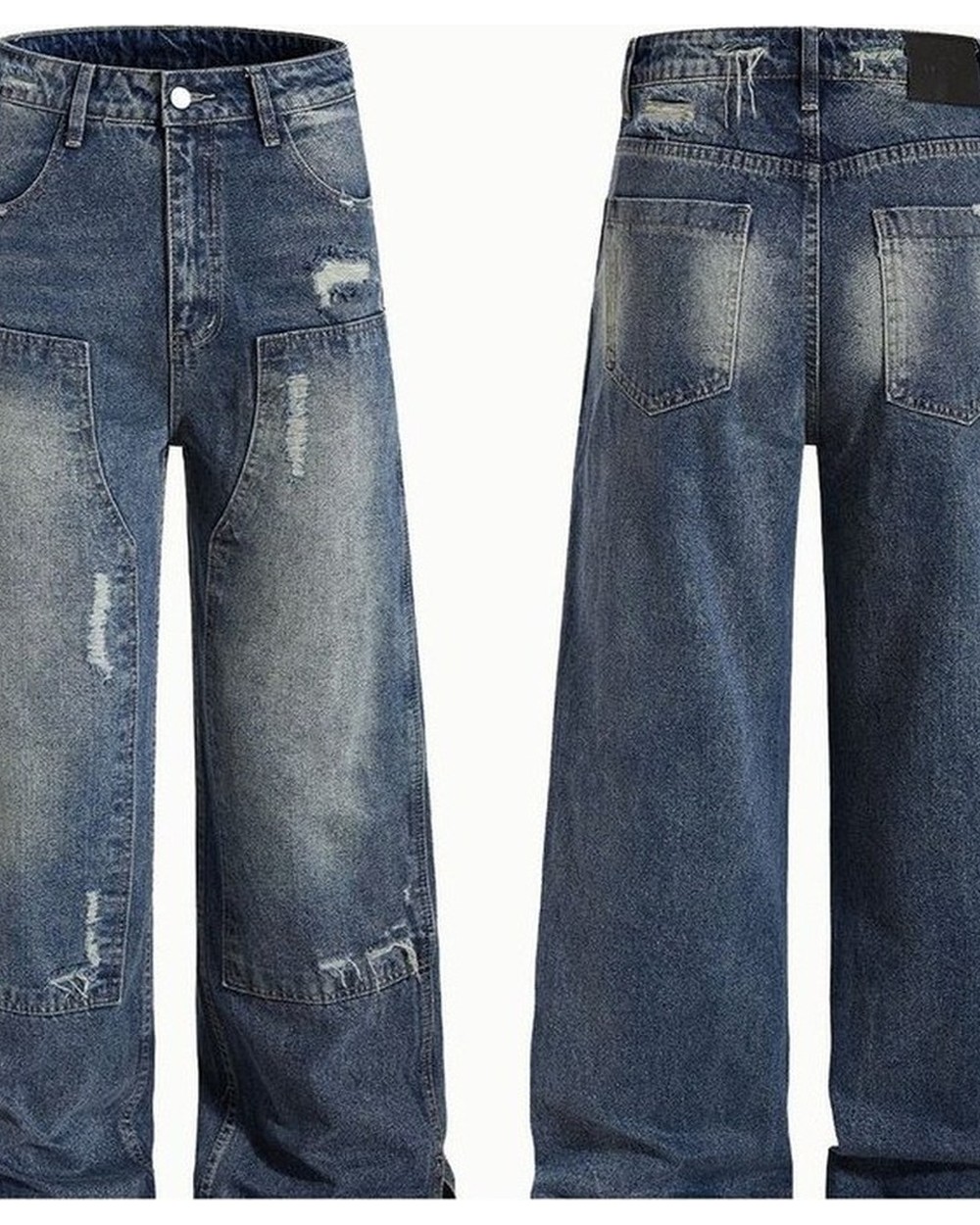
We do not publish a water-per-pair figure, because we have not metered every recipe and we will not quote a number we cannot stand behind. What we can show is the recipe, the chemistry list, the certificate and the batch record for your order.
We also will not call a jean compostable, carbon neutral or fully recycled. Recycled cotton in our GRS program is blended with virgin cotton for strength, usually at a ratio the mill declares per lot, and we tell you the actual ratio before you print anything on a hangtag.
- Certificates shared as PDFs with the issuer and scope visible
- Recycled content declared per fabric lot, not per marketing claim
- Wash chemistry list supplied for your compliance review
- No green claim on a hangtag that the paperwork does not support
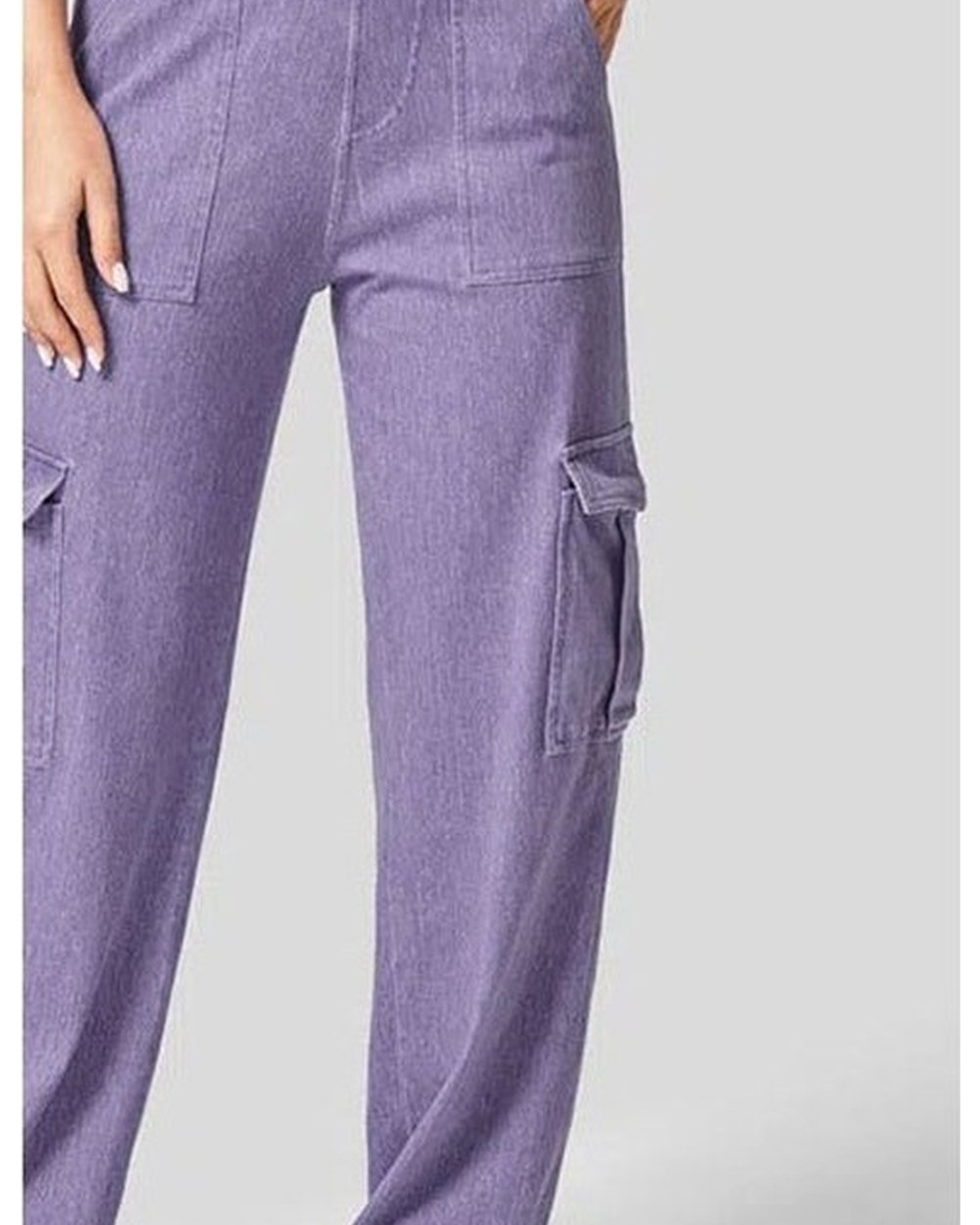
From target shade to bulk, with the time each stage adds.
01 — Target and constraint
You send the look, the destination market and any restricted-substance list. 1 day.
02 — Recipe options
Two or three routes costed, including laser or ozone where they fit. 2 days.
03 — Lab dips
Three dips on your fabric, with hand-feel and shade compared. 5–7 days.
04 — Wear and wash test
Sample washed 3 times to check shade retention and shrinkage. 3 days.
05 — Bulk wash
Drum batches against the approved standard, records kept per batch. 3–5 days.
The inputs we can document today.
- Yarn standard: OEKO-TEX Standard 100, certificate on request
- Recycled fiber: GRS-certified recycled cotton, ratio declared per lot
- Wash chemistry: ZDHC-aligned, restricted-substance list available
- Laundry: 4 lines, batch records kept per drum
- Finishing options: Laser whiskering, ozone rinse, enzyme wash, resin
- Quality system: ISO 9001
- Social audit: BSCI-audited sewing unit
- Fabric weights: 9 oz stretch to 14.5 oz rigid, 12 oz raw selvedge
- MOQ: 300 pcs per style per color
- Sampling: 7–10 working days; 10–14 with a new wash
- Bulk lead time: 25–35 days after PP sample approval
What a lighter wash costs you
A lower-impact recipe is not automatically cheaper or better. Enzyme can soften a 13.5 oz rigid jean too much for a workwear buyer who wants a stiff break-in. Laser whiskering gives repeatable placement but a flatter look than hand sanding on a vintage wash. Ozone lifts color fast, and if the operator is not careful the result reads grey rather than blue.
The trade-off is real, so we test it on your fabric before quoting. If the lighter route does not hit the look, we will run the conventional one and tell you why, rather than ship a jean that photographs one shade and wears another.
- Enzyme instead of stone: softer hand, shorter cycle, less pumice waste.
- Laser instead of hand sanding: repeatable placement, flatter vintage look.
- Ozone instead of part of the bleach: faster shade lift, tighter operator control needed.
- Recycled cotton blend: lower virgin fiber use, slightly lower tear strength at high ratios.
Send your target wash and destination market to our wash team and we will send the recipe options with the certificates attached.
Are your fabrics certified?
We buy OEKO-TEX Standard 100 yarns and hold GRS-certified recycled cotton. Certificates are issued per mill and per lot, so we send the PDF for the fabric on your order rather than a generic logo sheet, usually within 2 working days of the request.
Can you make a jean without a stone wash?
Yes. Enzyme, laser and ozone recipes cover most of the looks buyers ask for, and 12 stock recipes are available. On a 12 oz rigid jean, an enzyme and laser route usually reaches the same hand-feel with a shorter laundry cycle and no pumice in the drum.
Do you use recycled cotton?
Yes, GRS-certified recycled cotton, blended with virgin cotton because 100% recycled yarn is weaker at the crotch and knee. The blend ratio is declared per fabric lot, and we will tell you the number before it goes on a hangtag.
What wash chemistry do you use, and can we review it?
ZDHC-aligned chemistry, with the restricted-substance list available for your compliance team. Send the destination market's requirements — EU REACH, US state rules, or a retailer's own list — and we will confirm which of the 12 stock recipes and which trims fit before sampling starts.
Can sustainability claims go on our packaging?
Only where the paperwork supports them. We supply the certificate scope and the recycled ratio, and we will tell you if a claim such as carbon neutral or fully recycled is outside what we can document. Hangtags are your printer's job; the evidence is ours.
Tell us what you want to make
Share the style, target quantity and launch date. You get fabric options, wash recommendations, a sampling date and a factory-direct quote — usually within 12 working hours.