Baggy Denim Cut to a Drop Crotch and a 26 cm Hem
Baggy jeans from 300 pcs per style: 22–30 cm hems, drop crotch and carpenter builds in 11.5–14.5 oz denim, bulk in 25–35 days.
Baggy is a set of numbers, not a size up. A 26 cm hem on a 27 cm rise reads as volume; the same hem on a 33 cm rise reads as a mistake, and the fit sample is where you find out which one you cut.
We ask you to fix three numbers before quoting: rise, thigh width at the crotch seam, and hem opening. Once those are locked, wash, hardware and label change per order without touching the block. If you cannot name the three numbers, send a worn pair and we will measure it flat.
- Fits: baggy carpenter, jorts, drop crotch, skate fit, relaxed straight
- Fabric: 11.5–14.5 oz rigid, 10.5–12 oz stretch for drape
- MOQ 300 pcs per style per color; bulk in 25–35 days
Four production patterns that carry volume without collapsing at the knee — swap the cloth and they belong to your range.
Baggy Carpenter
13.5 oz rigid, 30 cm rise, 26 cm hem, hammer loop and double knee.
Baggy Jorts
12 oz rigid, 11-inch inseam, 30 cm leg opening, raw or clean hem.
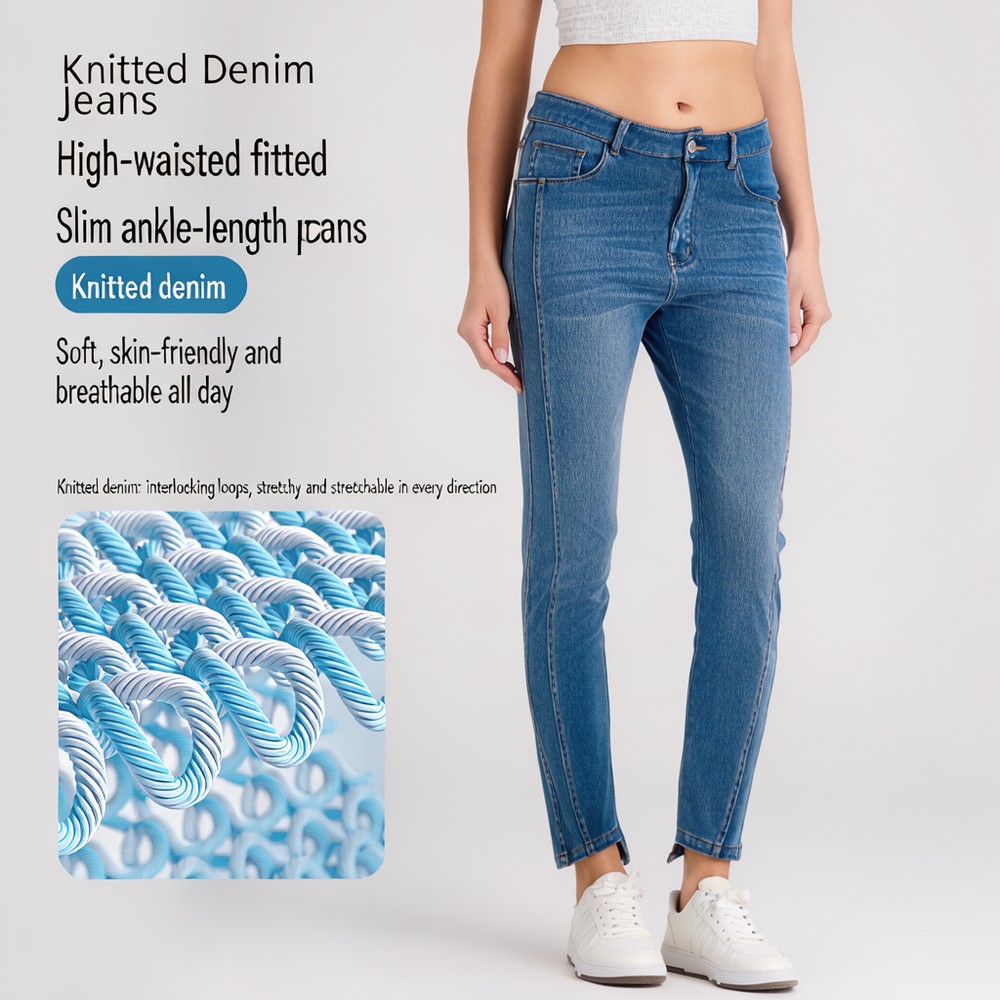
Women's Wide Leg
11 oz stretch or 12 oz rigid, 28 cm hem on a 31 cm rise, no side-seam twist.
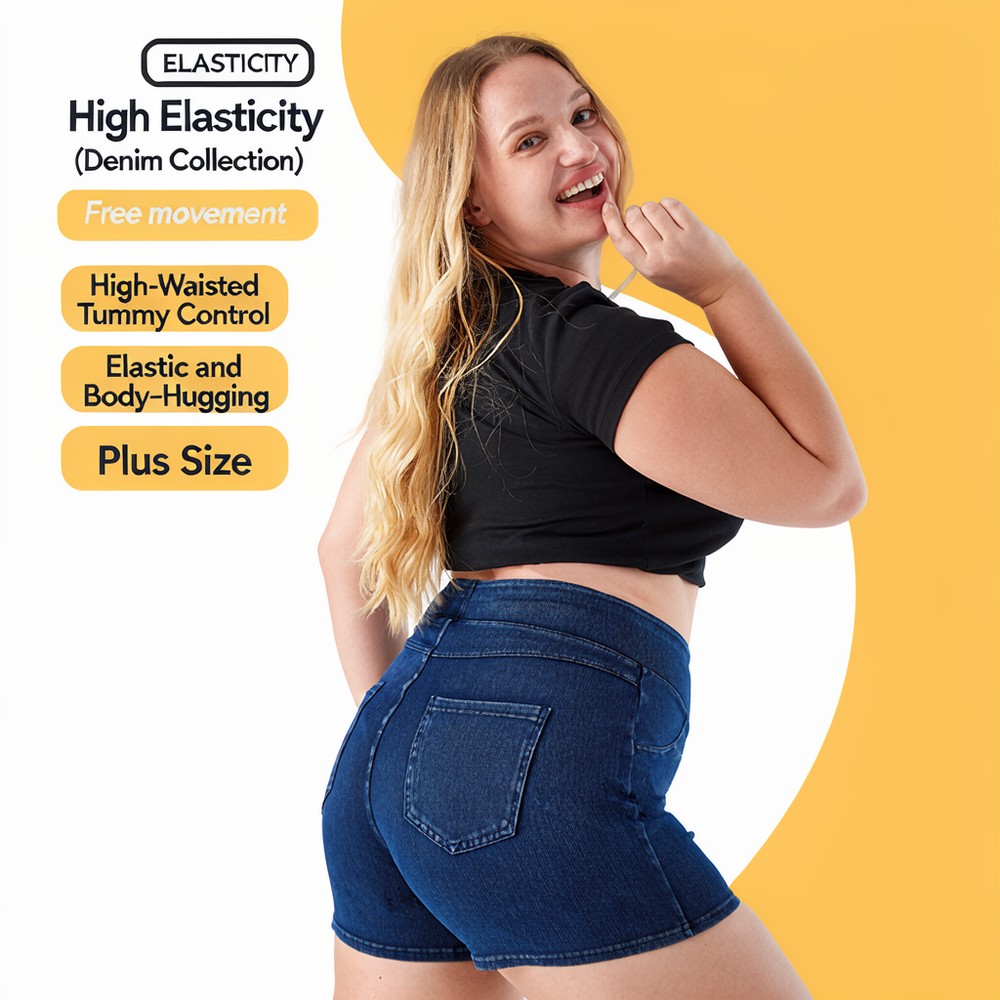
Plus-Size Relaxed
13 oz rigid, 34 cm rise on a curve block, 24 cm hem, extended sizes.
Volume needs more cloth per garment, so fabric width and marker efficiency move the price more than labor does.
- Fabric: 100% cotton rigid, cotton/elastane, cotton/poly for drape
- Weight: 11.5–14.5 oz rigid, 10.5–12 oz stretch, 12 oz raw option
- Fits: Baggy carpenter, drop crotch, skate, jorts, relaxed straight
- Rise: Mid 27 cm, high 30 cm, drop crotch 34 cm at size 32
- Leg opening: 22–28 cm on jeans, up to 30 cm on jorts
- Stitching: Tex-80 topstitch, triple-needle waistband, bar-tacked stress points
- Hardware: Antique copper shank, 17 mm rivets, YKK #5 metal zip
- Wash options: Rinse, stone, enzyme, bleach, destroy, tint, overdye
- Sizes: 28–46 waist, S–3XL unisex, separate women's grade
- MOQ: 300 pcs per style per color
- Sampling: 7–10 working days, 10–14 with new wash development
- Bulk lead time: 25–35 days after PP sample approval
A baggy leg in 10.5 oz stretch collapses into a tube by the second wear. The same pattern in 13.5 oz rigid holds the line from hip to hem and photographs the way you drew it. We keep both weights on the rack and will show you the difference cut into two half-legs.
Fabric width matters as much as weight: a 150 cm roll yields about 8% more garments per lay than a 145 cm selvedge roll, which changes your unit cost at 300 pcs. Hardware, label and packaging stay editable either way.
- Cloth: 11.5 oz to 14.5 oz, plus raw and overdyed options
- Details: cargo pocket, hammer loop, double knee, cinch back
- Hardware: shank size, rivet finish, zip tape, drawcord tips
- Label: woven, leather patch, print, hangtag, size sticker
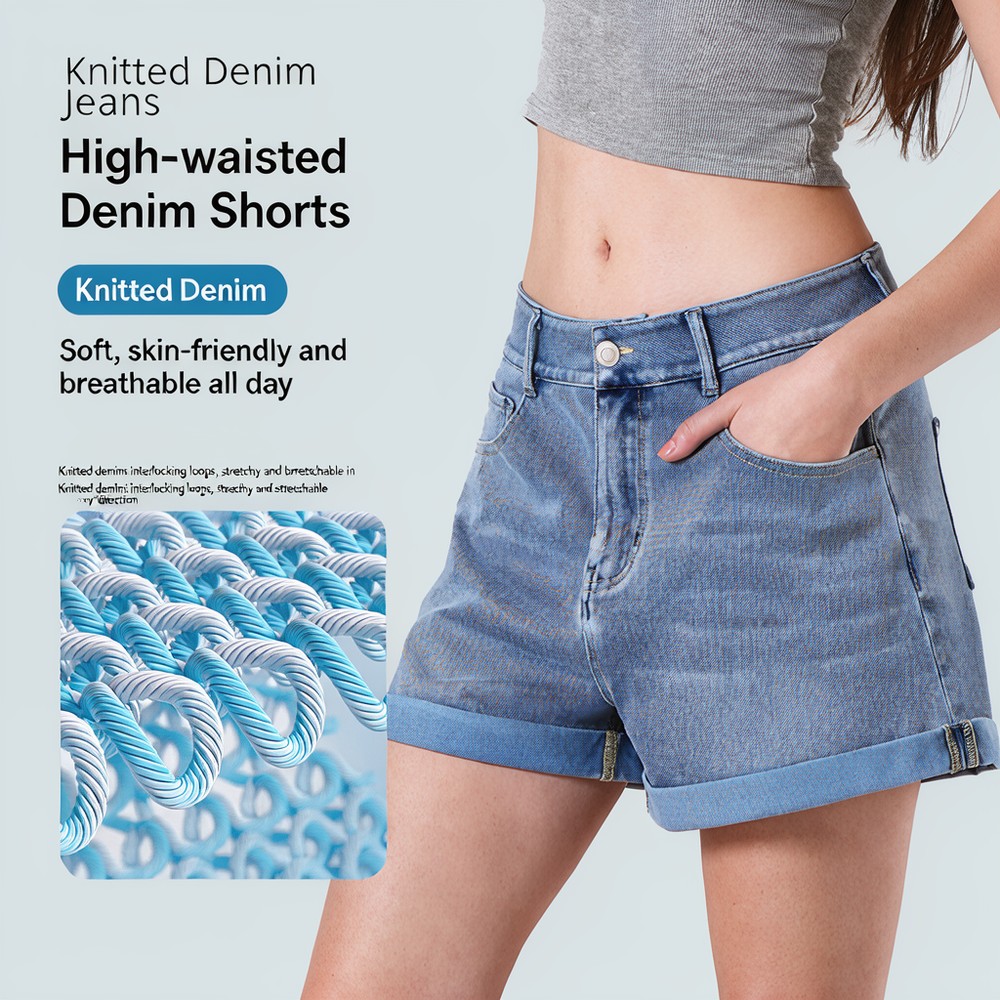
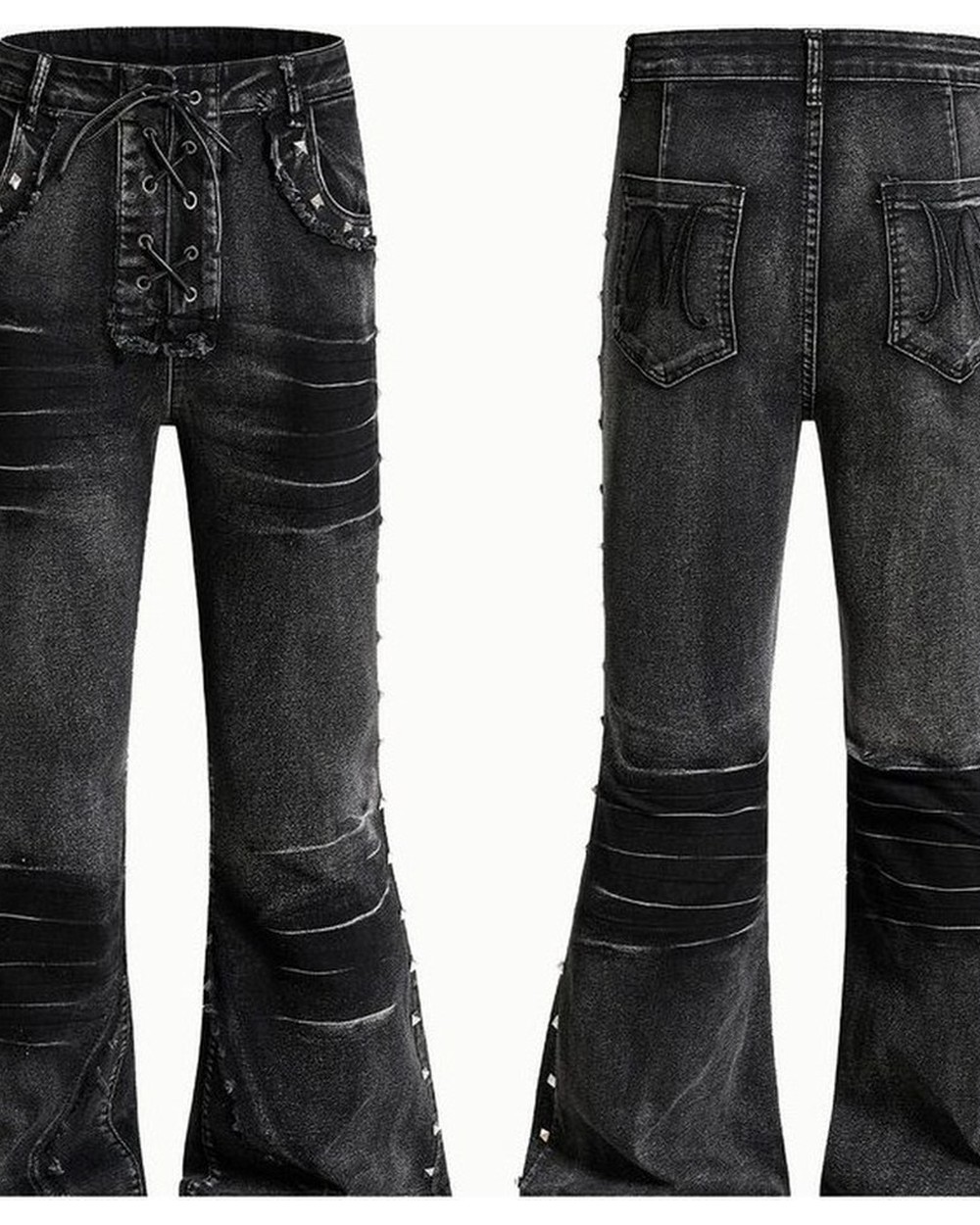
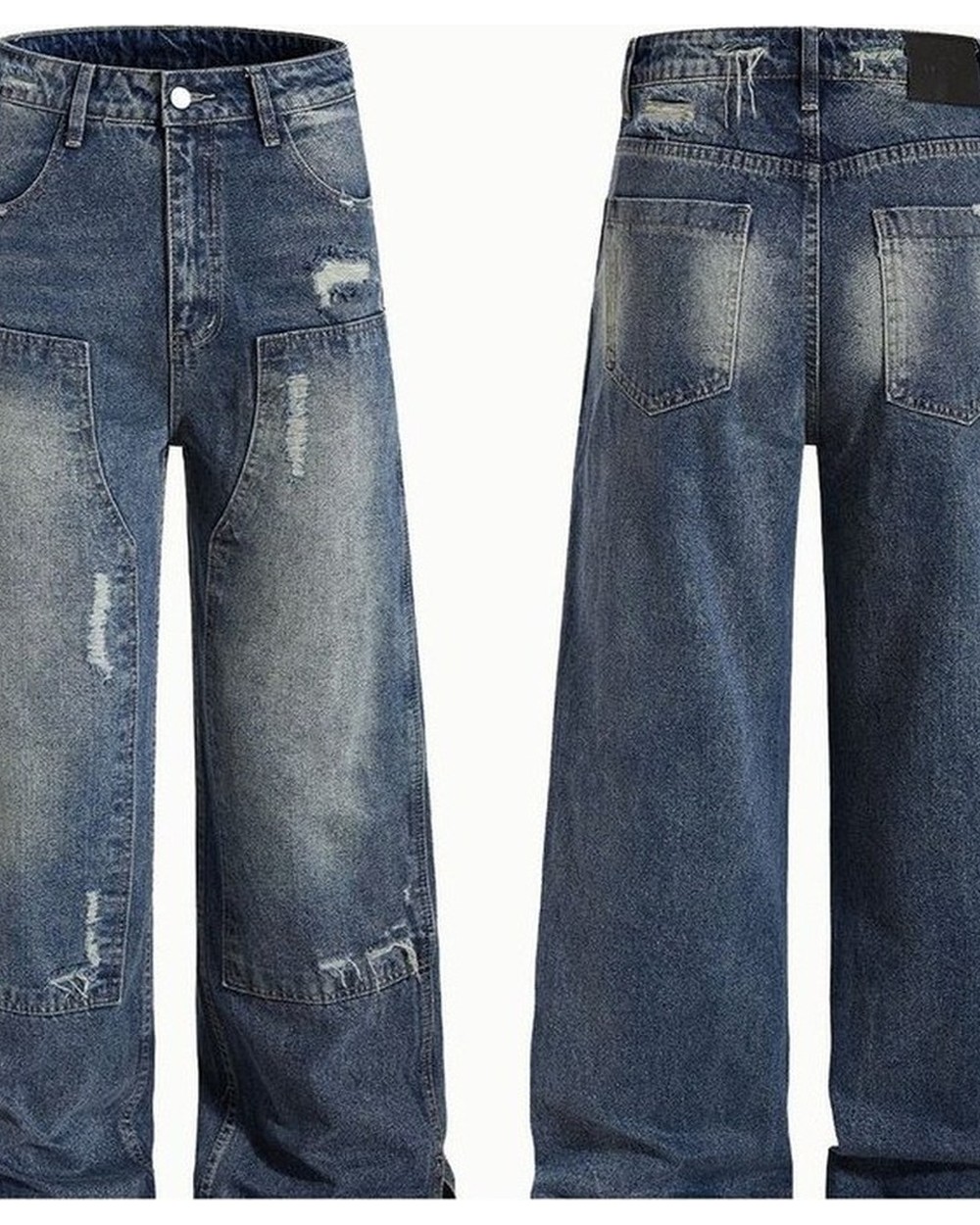
Four references: a stacked leg, a heavy stone wash, a cargo pocket build and a full-length drape.
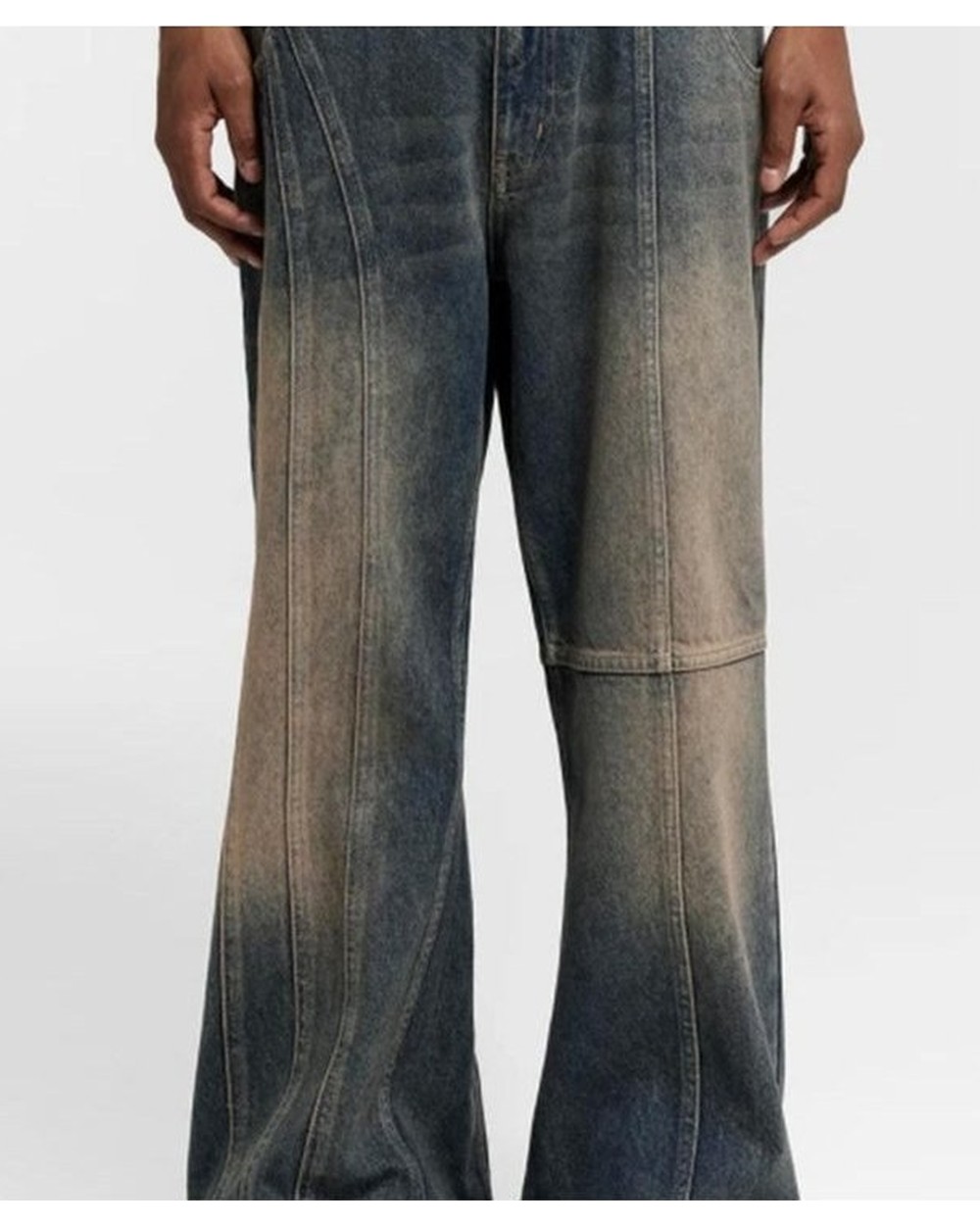
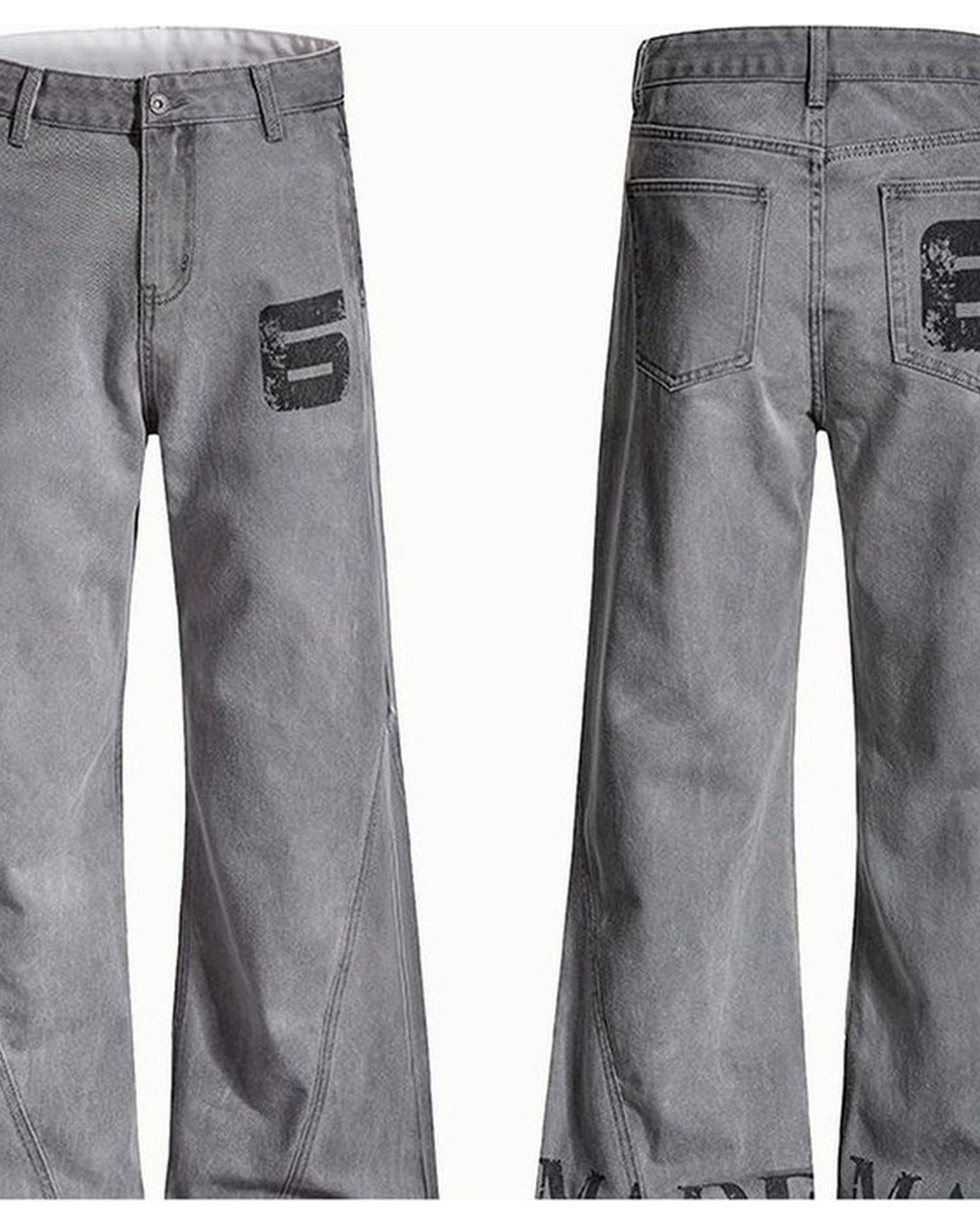
Where loose fits actually go wrong
Baggy denim is bought for a silhouette and returned for a seat. When the seat depth is too shallow for a 30 cm rise, the back pulls tight and the volume you paid for disappears. When it is too deep, the crotch hangs below the inseam and the leg twists outward. Both faults come from copying a straight-leg seat and adding width at the thigh — the two changes have to be made together, on paper, before you see a sample.
Hem drag is the second complaint. A 28 cm hem on a 32-inch inseam collects dirt on the floor and fraying at the corner; on a 30-inch inseam the same hem needs a 2 cm lift at the back to sit correctly. We cut one leg in your target length, hang it for 24 hours so the cloth relaxes, then set the hem.
- Bring rise, thigh and hem numbers — or a worn pair you want copied.
- Choose the cloth weight before the wash, because a heavy destroy wash pulls 3% of the length.
- Test the seat on a model who sits, not only one who stands.
What makes a jean baggy rather than just oversized?
Three numbers: a rise of 30 cm or more, a thigh 4–6 cm wider than a straight fit at the same waist, and a hem between 22 and 28 cm. Adding a size gives you a longer garment, not a wider one, which is why sized-up jeans look wrong at the hem.
Do you make baggy jeans in stretch denim?
Yes, typically 10.5–12 oz with 1–2% elastane. Stretch helps a drop-crotch sit when the wearer walks, but it also softens the silhouette after 10–15 wears. For a true volume look we recommend rigid 13 oz and a relaxed waistband instead.
Can you copy a baggy fit from a photo?
Only partly. A photo gives us the hem and rise ratio but not the seat depth, which is the number that decides comfort. Send one physical pair, even a worn one, and we reverse-engineer the pattern in 3 working days and return a fit sample in 7–10.
What is the minimum order for a baggy style?
300 pcs per style per color, same as every other category. Because a baggy leg uses roughly 15% more fabric than a straight leg, the unit price at 300 pcs is higher; at 1,000 pcs the fabric saving from a better marker brings it back in line.
How long does a baggy sample take?
7–10 working days with a stock fabric and stock wash. Add 4 days if we must develop a new wash, and 3 more if the seat needs a second revision after your fit session. We send every sample with its flat measurement sheet.
Tell us what you want to make
Share the style, target quantity and launch date. You get fabric options, wash recommendations, a sampling date and a factory-direct quote — usually within 12 working hours.