Three Orders, Three Problems and What We Changed
Three anonymized denim orders: a UK DTC brand at 1,200 pcs, a German workwear label at 3,000 pcs and an Australian kids' brand at 600 pcs.
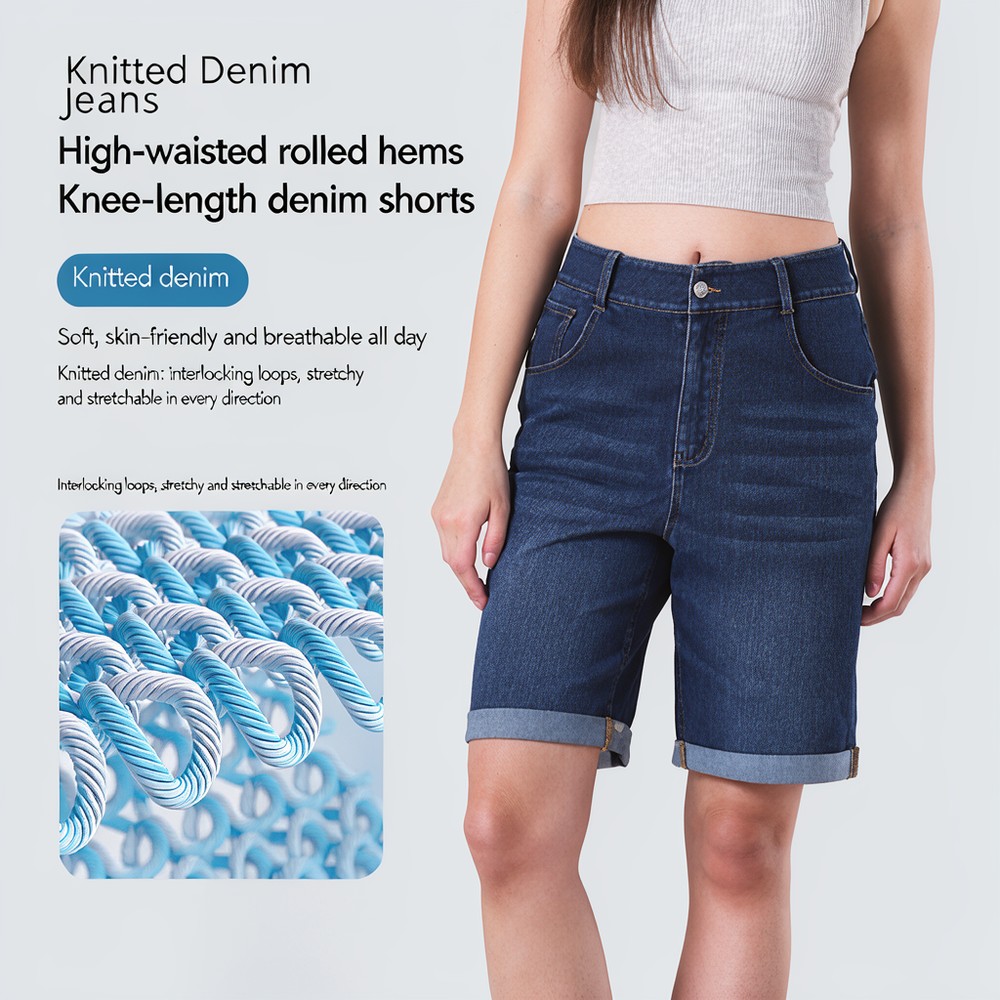
Buyers send us problems, not purchase orders. A jean that came back too small, a wash that drifted between dye lots, a workwear order that failed at the knee after six weeks. The three cases below are real orders, described by market and quantity because the clients have not agreed to be named.
Each one follows the same shape: what was going wrong, what we changed in the pattern, the wash or the inspection, and the number that moved. Lead times and defect rates are from our own production records, not estimates.
- UK DTC brand: 1,200 pcs, waist variance cut from 1.5 cm to 0.5 cm
- German workwear label: 3,000 pcs, 0.6% defect rate at AQL 2.5
- Australian kids' brand: 600 pcs, shrinkage held under 2% after 3 washes
- Every case shipped in 24–32 days after pre-production approval
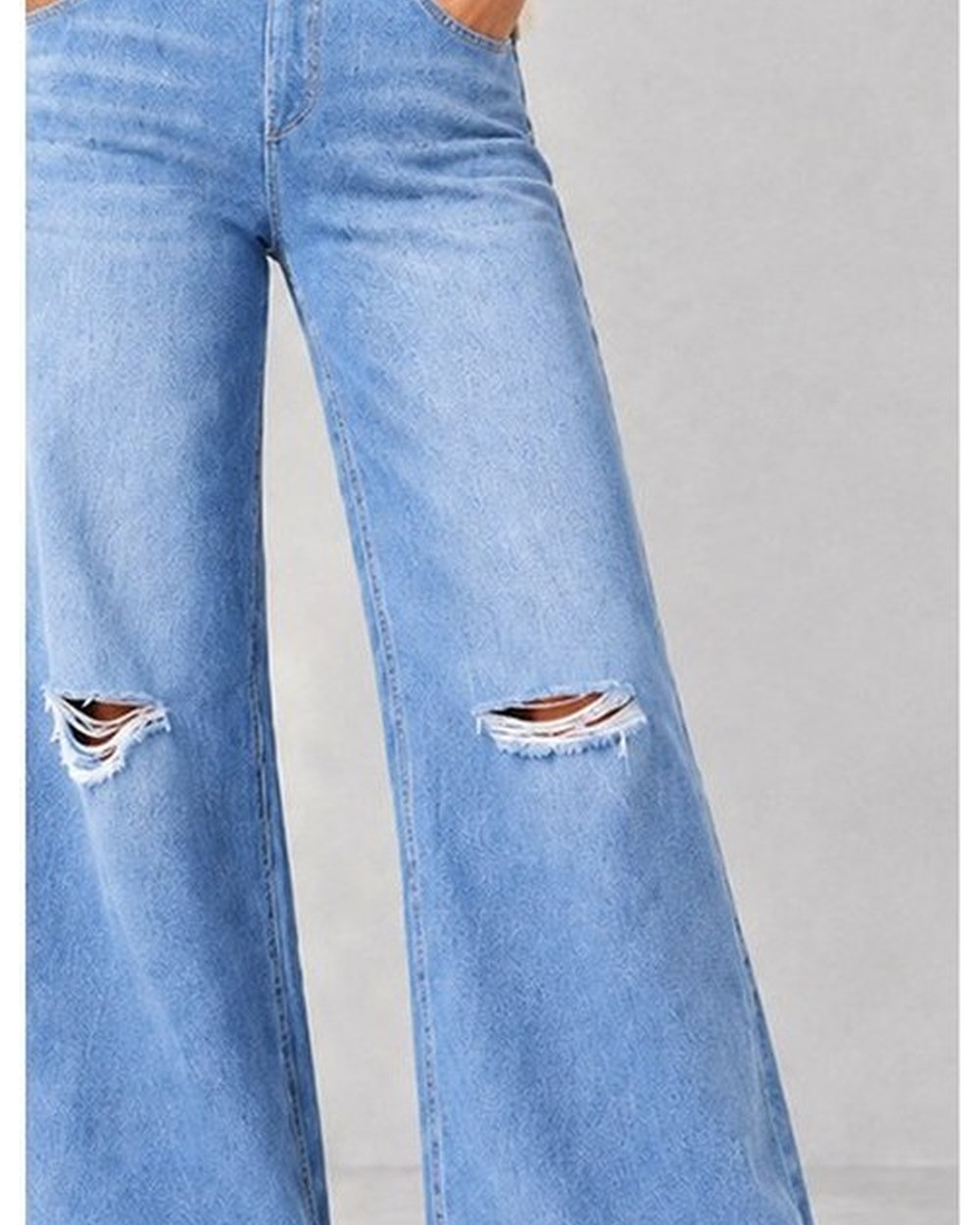
The brand sold one straight jean in two colors and split production between two suppliers to keep up with demand. By the third drop, a size 32 measured anywhere between 31.2 and 33.6 cm across the waist, and returns on that size had climbed past 14%.
We moved both colors into one cell, rebuilt the block from the sample that sold through fastest, and locked a single measurement chart. The waistband is now cut from the same marker and measured flat before the button goes on, and the first 50 pcs of every run are checked 100%.
- Waist tolerance: from ±1.5 cm to ±0.5 cm across the run
- Defect rate at AQL 2.5 final inspection: 0.7%
- Bulk shipped 28 days after PP approval; reorder of 1,800 pcs placed 4 months later
The order was a 14.5 oz rigid jean for a workwear range, sized 46 to 52 in four colourways. The first production run passed visual inspection, but the buyer's wear test showed knee wear-through and a crotch seam failure at 6 weeks on the heavier sizes.
We changed the construction, not the look: a double knee panel, a reinforced crotch seam, bar-tacked belt loops and a chain-stitched hem. Sizes above 46 were re-graded on their own block instead of being scaled from a 32, and the PP sample ran on the actual bulk fabric.
- Construction: double knee, reinforced crotch, bar-tacked loops, chain-stitched hem
- Defect rate at AQL 2.5: 0.6% across 3,000 pcs
- Shipped in 32 days, with 4 colourways cut from 2 fabric lots
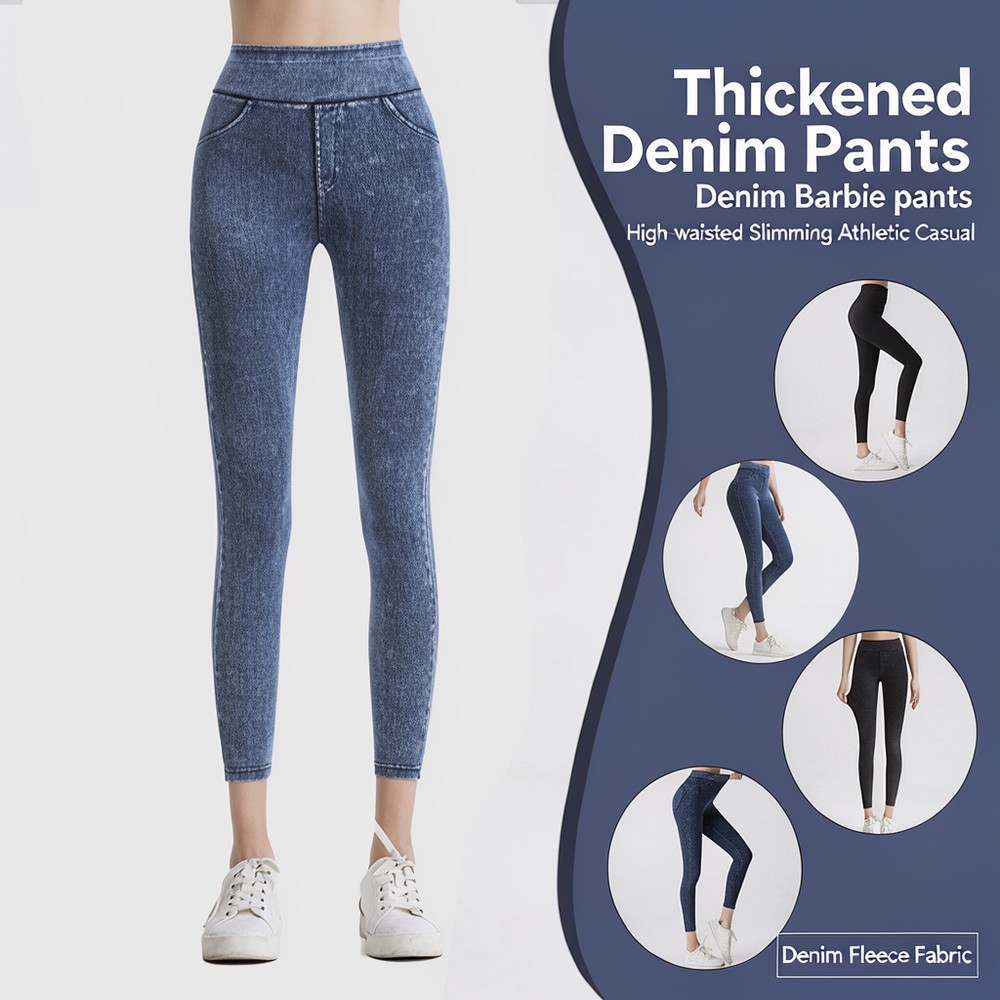
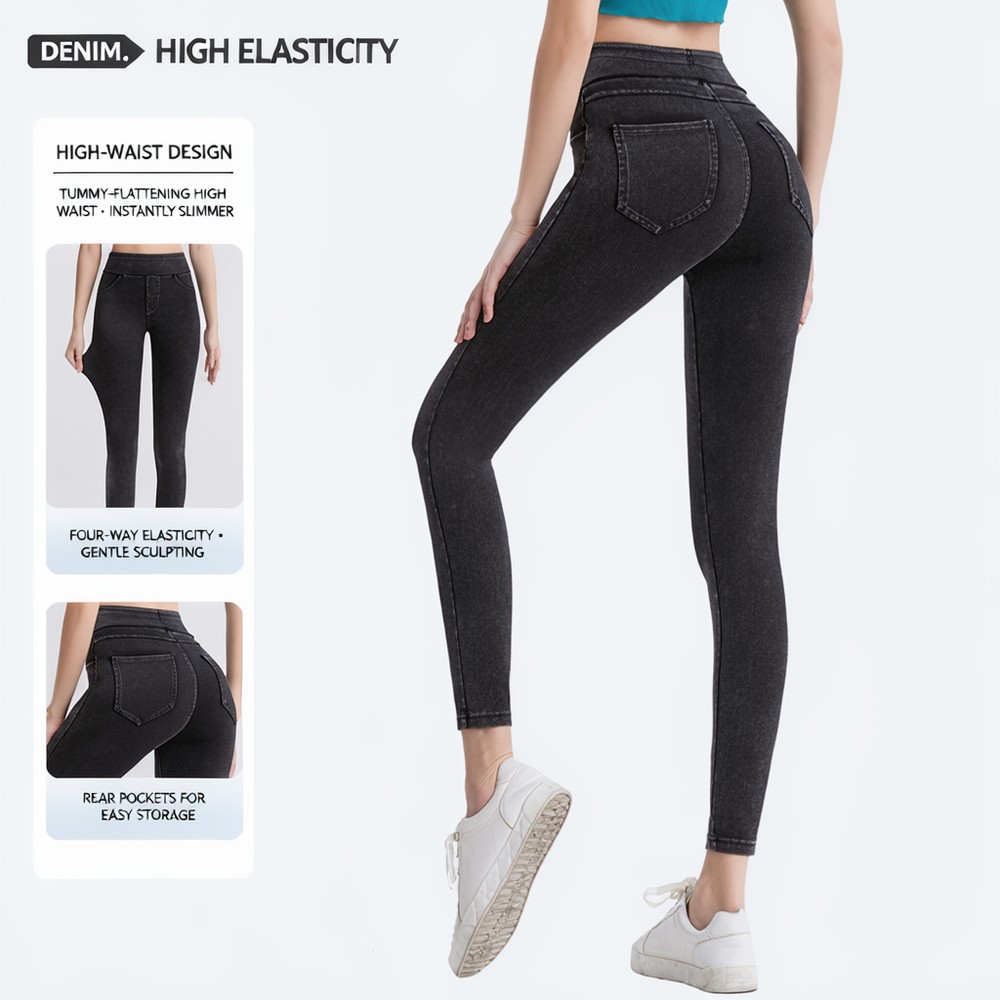
A kids' range sized 2 to 10, 600 pcs across six sizes, needed to survive home washing at 40°C without turning a size 6 into a size 4. The first sample shrank 5% in length, and the brand's returns were already running on last season's stock.
We moved the style to a sanforized 10.5 oz denim, added a pre-wash before finishing, and ran a 3-wash shrink test on the bulk fabric before cutting. Hardware went nickel-free to match the destination market's toy and apparel rules, and the grade rule was rebuilt for kids' proportions rather than scaled from adult sizes.
- Shrinkage: under 2% in length after 3 home washes at 40°C
- Defect rate: 0.9% at AQL 2.5; 600 pcs shipped 24 days after PP approval
- Hardware: nickel-free shanks and snaps, matched to the AU market
What the three cases have in common
None of these orders was lost to sewing speed. The UK case was a measurement system split across two suppliers, the German case was a construction that did not match the fabric weight, and the Australian case was shrinkage that nobody tested before cutting. In all three, the fix added days, not money — a sample round, a wash test, a second inspection point.
That is the pattern we see across 300+ brands: defects cluster at the handovers and at the assumptions nobody wrote down. A tech pack that states the fabric, the finish and the tolerance is worth more than a discount on the unit price, because it is the only document that survives the trip from sample to the third reorder.
- Send the problem, not the solution: a return, a claim photo or a competitor sample all work as a brief.
- Tell us the destination market and the wash standard; those two answers set the hardware and the chemistry.
- Ask for the defect rate on a previous order of the same construction before you place yours.
If one of these cases sounds like your current order, send the details to our merchandising team and we will tell you what we would change and what it would cost in days.
Why are the clients not named?
Because we do not publish a client's production problems without written permission, and most brands treat their sourcing as confidential. We describe each order by market, quantity and construction, and we can put you in touch with a reference client in your category on request.
Are the defect rates audited by a third party?
They come from our AQL 2.5 final inspection records, which count major and minor defects against the sample size in the standard. Buyers can appoint SGS, BV or Intertek to inspect the same order, and several do on orders above 2,000 pcs.
How long did these orders take from sample to ship?
Between 24 and 32 days of bulk after pre-production approval, plus 7–10 working days of sampling at the start. The German workwear order ran longest because four colourways were cut from two fabric lots and each lot was shade-banded before cutting.
Can you fix a problem on an order already in production elsewhere?
Sometimes. If the goods are still in cutting or sewing, we can take over the balance, but we will re-measure the first 50 pcs and re-approve the wash standard, which usually adds 5–7 days. Finished goods that failed inspection are harder; we quote a re-make instead.
Do you work with small brands as well as large ones?
Yes, at 300 pcs per style per color. The Australian case was 600 pcs across six sizes. Small runs go on the sample and small-batch line, which is why they can ship in 24 days instead of waiting for a gap in a 3,000 pc bulk slot.
Tell us what you want to make
Share the style, target quantity and launch date. You get fabric options, wash recommendations, a sampling date and a factory-direct quote — usually within 12 working hours.