Two-Piece Denim Sets with a Ratio You Control
Denim sets from 300 pcs per style: jacket-and-jeans and shirt-and-jeans pairs, shade-matched from one fabric lot and shipped in 25–35 days.
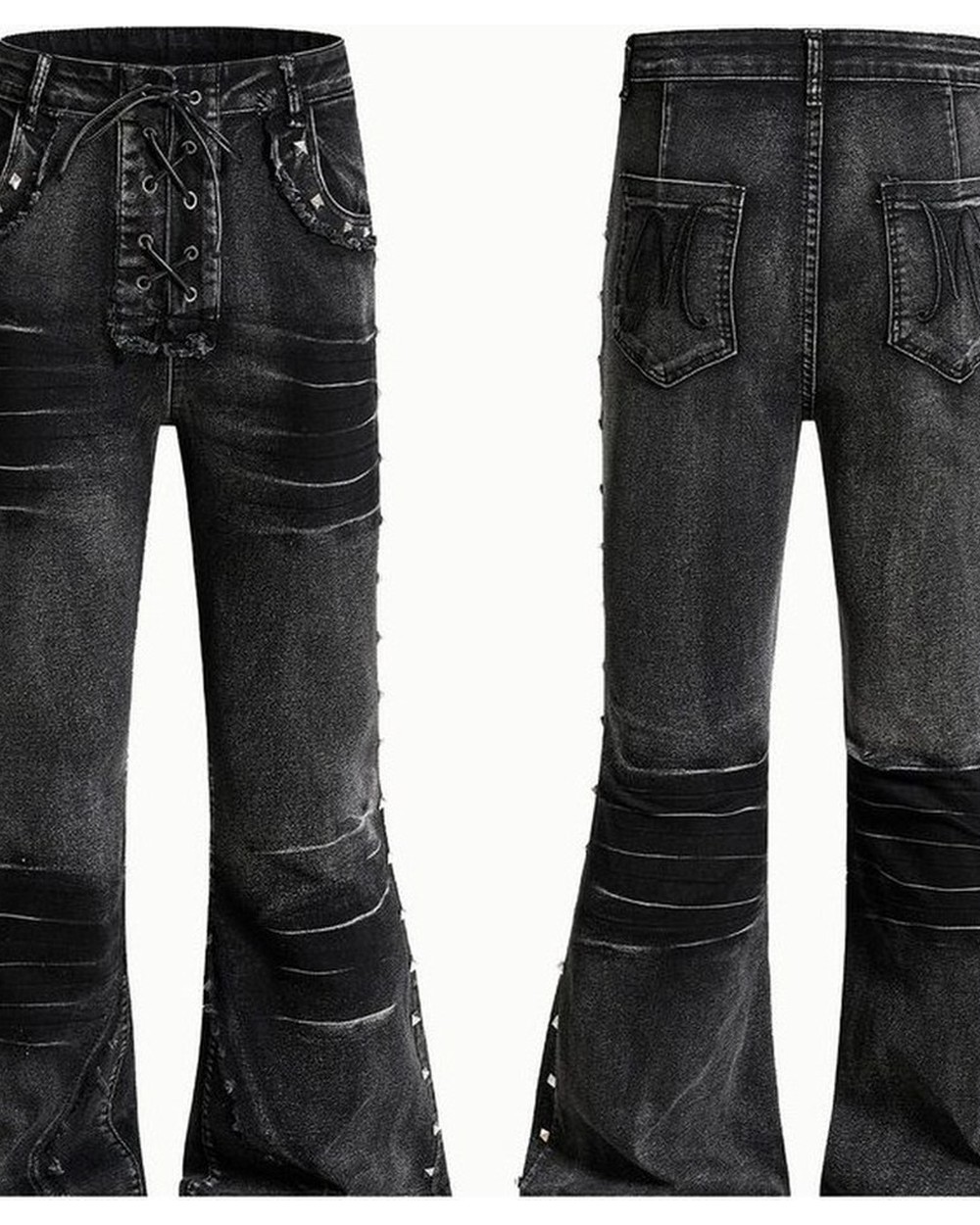
A denim set is two garments sold as one, and the failure is almost never the fit. It is the shade: a jacket and a jean cut from different rolls can differ by 1.5 ΔE, which nobody notices on a hanger and every customer notices in daylight.
We cut both pieces from one fabric lot, wash them in the same drum batch, and pack them as a set in the size ratio you sell — usually 1 jacket to 1 jean, sometimes 1 to 2. Ask for separate packing if the two pieces will be sold apart.
- Sets: women's jacket and jeans, men's shirt and jeans, kids' set
- Cloth: 10–13 oz, both pieces from a single shade band
- MOQ 300 pcs per style per color; bulk in 25–35 days
Three two-piece programs, each with a fixed piece ratio and a shared fabric lot so the shade matches across the pair.
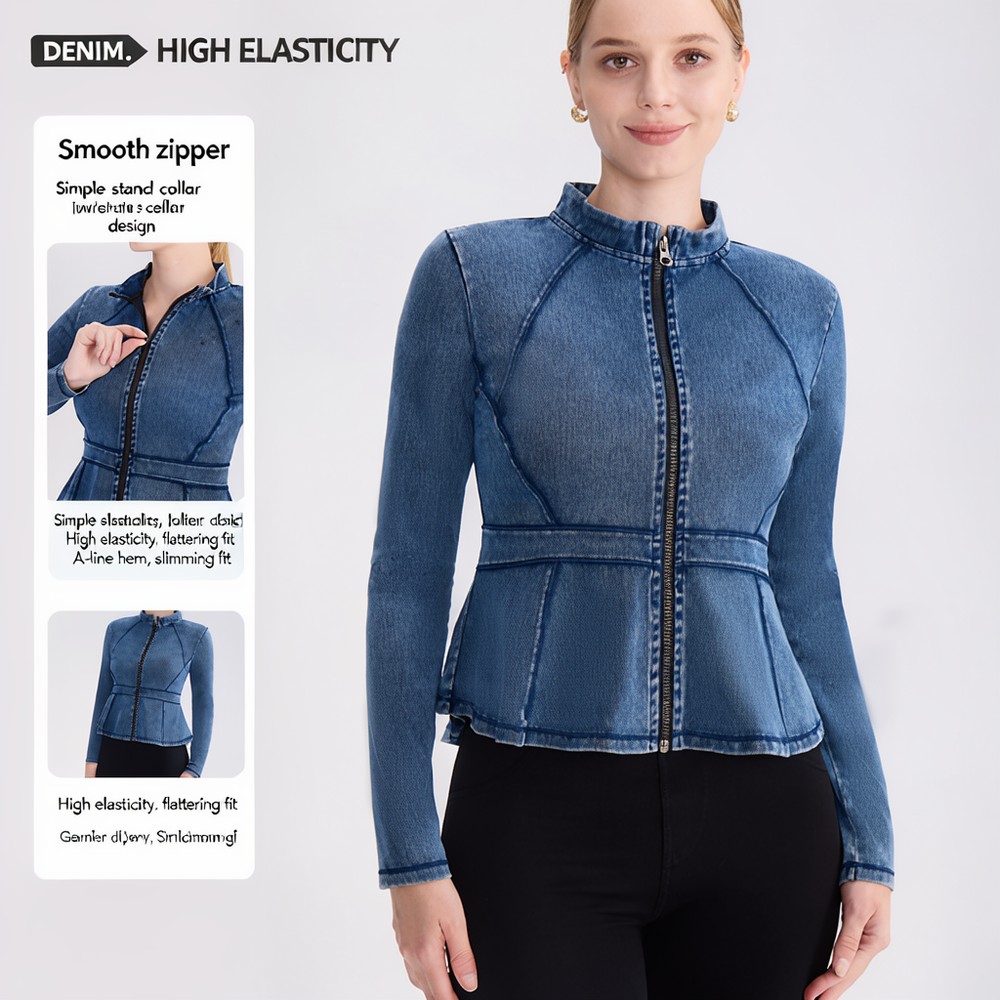
Women's Jacket & Jeans
12 oz rigid, 44 cm cropped jacket, 31 cm high-rise jean, 28 cm hem.
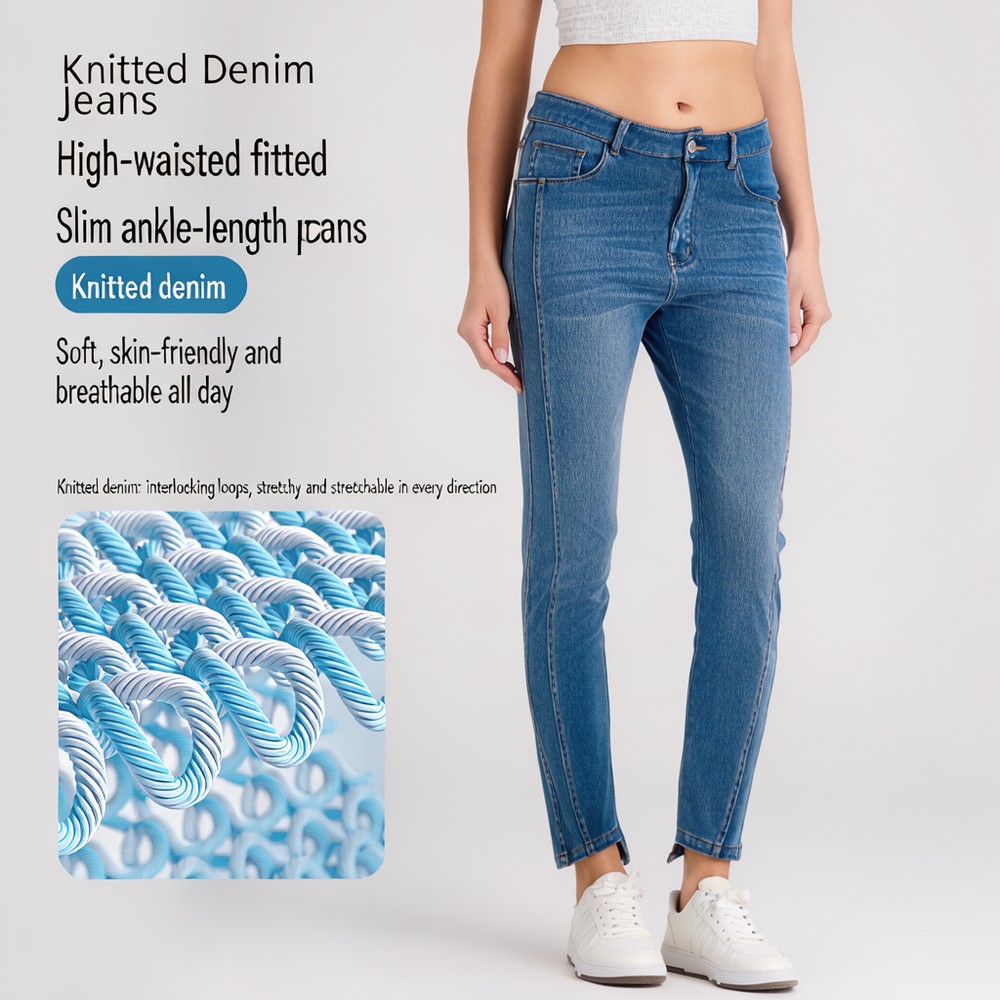
Men's Shirt & Jeans
8 oz shirt weight, 12.5 oz jean, 17 cm hem, tonal stitching on both.
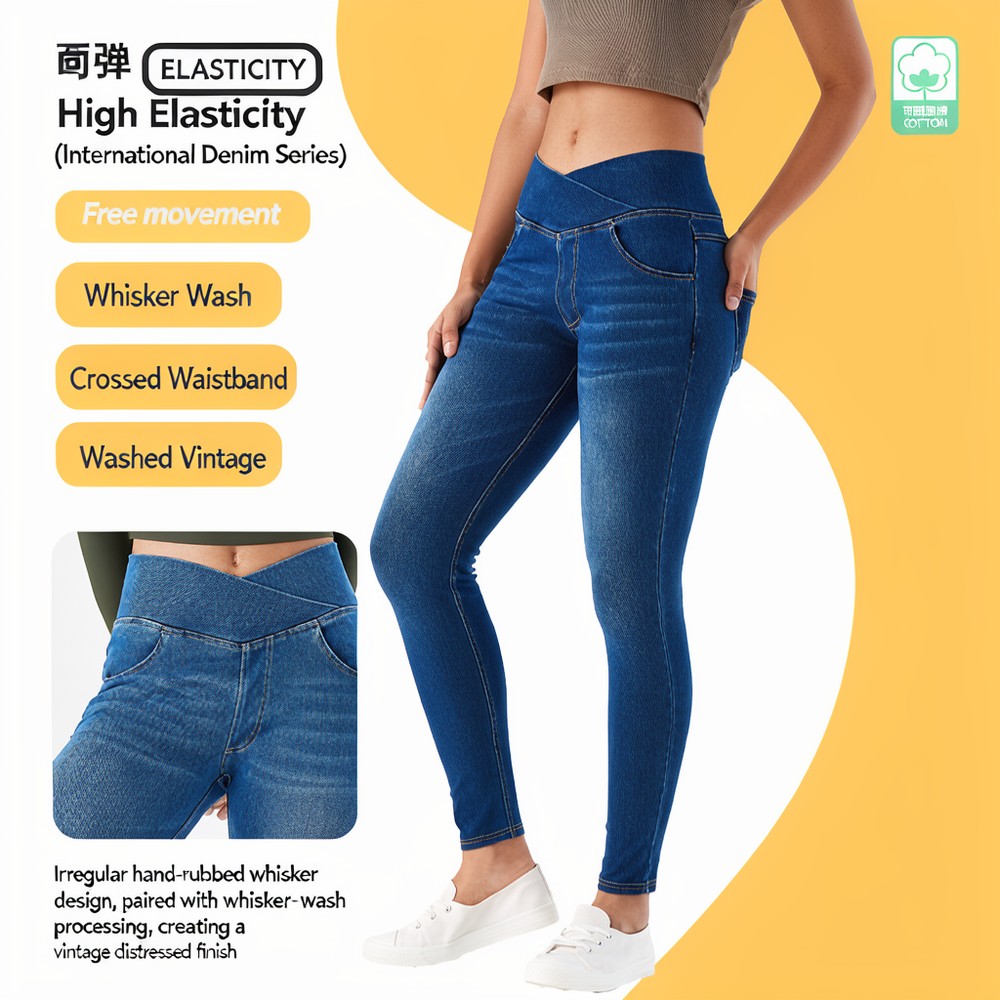
Kids' Jacket & Jeans
10 oz rigid, 40 cm jacket, straight-leg jean, sizes 2–12, grow hem.
The ratio is the first question: how many jackets do you sell for every pair of jeans?
- Pieces: Jacket and jeans, shirt and jeans, vest and jeans, shorts set
- Fabric: One lot per color; 10–13 oz for bottoms, 6–12 oz for tops
- Shade match: Both pieces from one shade band, washed in one drum batch
- Ratios: 1:1, 1:2 or custom, packed as sets or as separate SKUs
- Jacket length: 40–62 cm back length, cropped to trucker
- Jean rise: Mid 27 cm, high 31 cm, at size 28
- Stitching: Tex-60 or Tex-80, thread shade matched across both pieces
- Hardware: Same shank and rivet finish on jacket and jean
- Wash options: Rinse, stone, enzyme, tint, overdye, destroy
- Sizes: Jacket XS–3XL, jean US 0–20, men's S–2XL
- MOQ: 300 pcs per style per color, per piece
- Bulk lead time: 25–35 days after PP sample approval
A set doubles the fabric risk. If the jacket is cut on Monday from roll 14 and the jean on Wednesday from roll 22, the pair can read as two blues after washing. We reserve the whole color quantity from one shade band before cutting and log both roll ranges on the order sheet.
Packing is the second decision: bagged as a pair with one hangtag, or packed separately so the jacket and jean can be sold apart. Sets sold as one SKU return as one SKU, which makes a size swap easier for your customer.
- Lot: one shade band per color, roll numbers recorded
- Ratio: 1:1, 1:2, or separately packed with matching labels
- Hardware: same finish on both pieces, or contrast on request
- Packaging: single polybag, two-bag set, or retail carton with insert
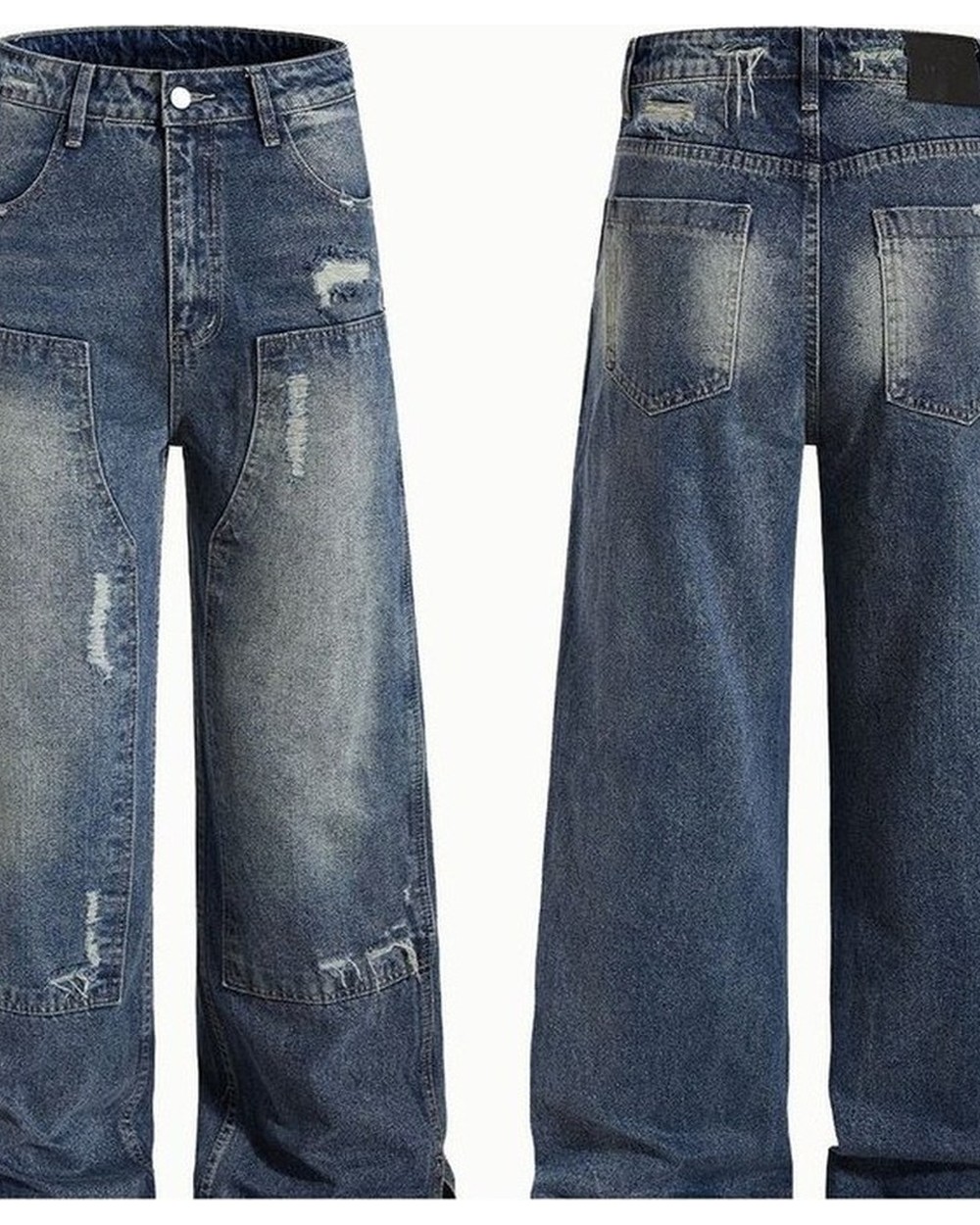
Four references: a matched pair, a shirt-and-jean set, retail packing and a set hangtag.
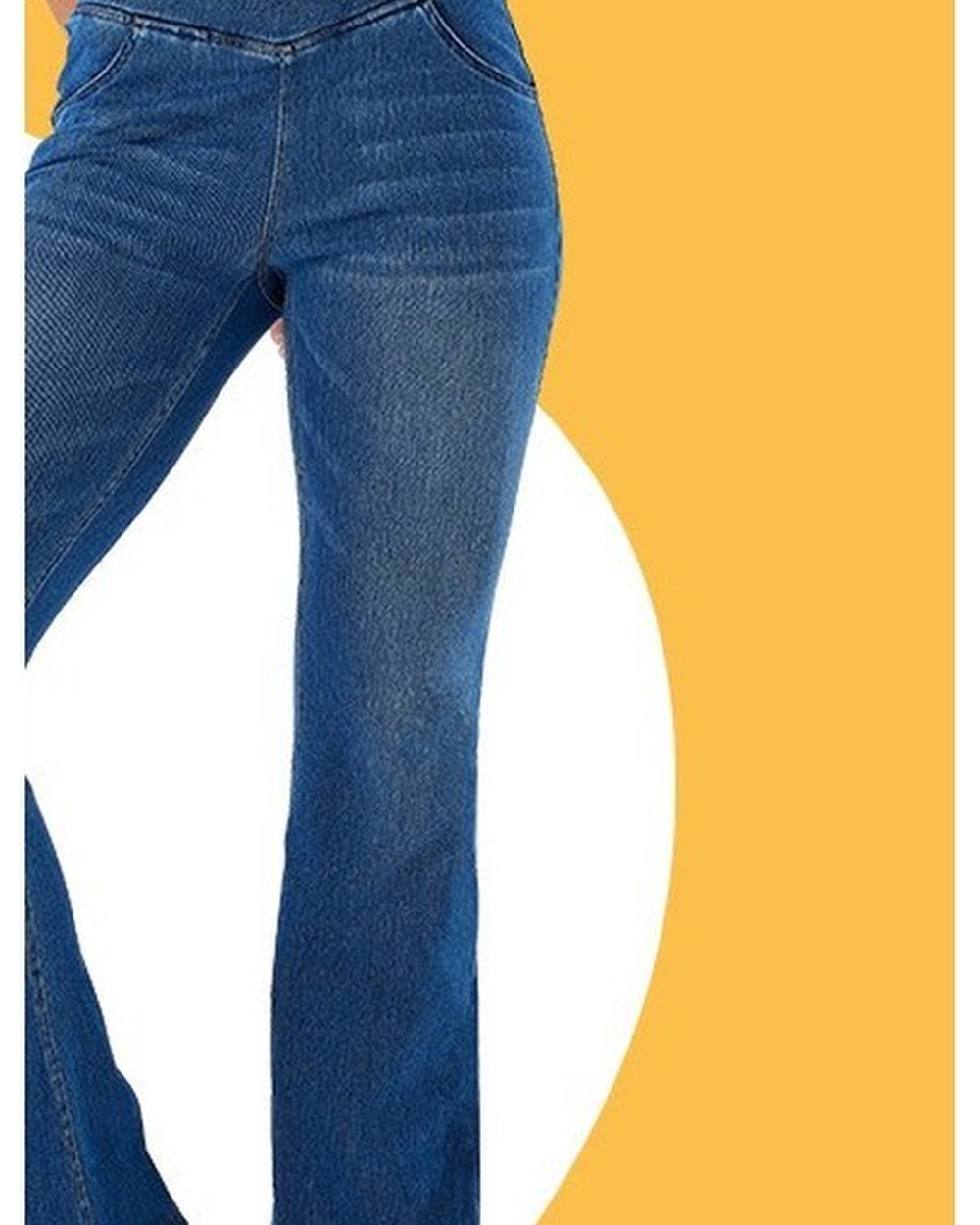
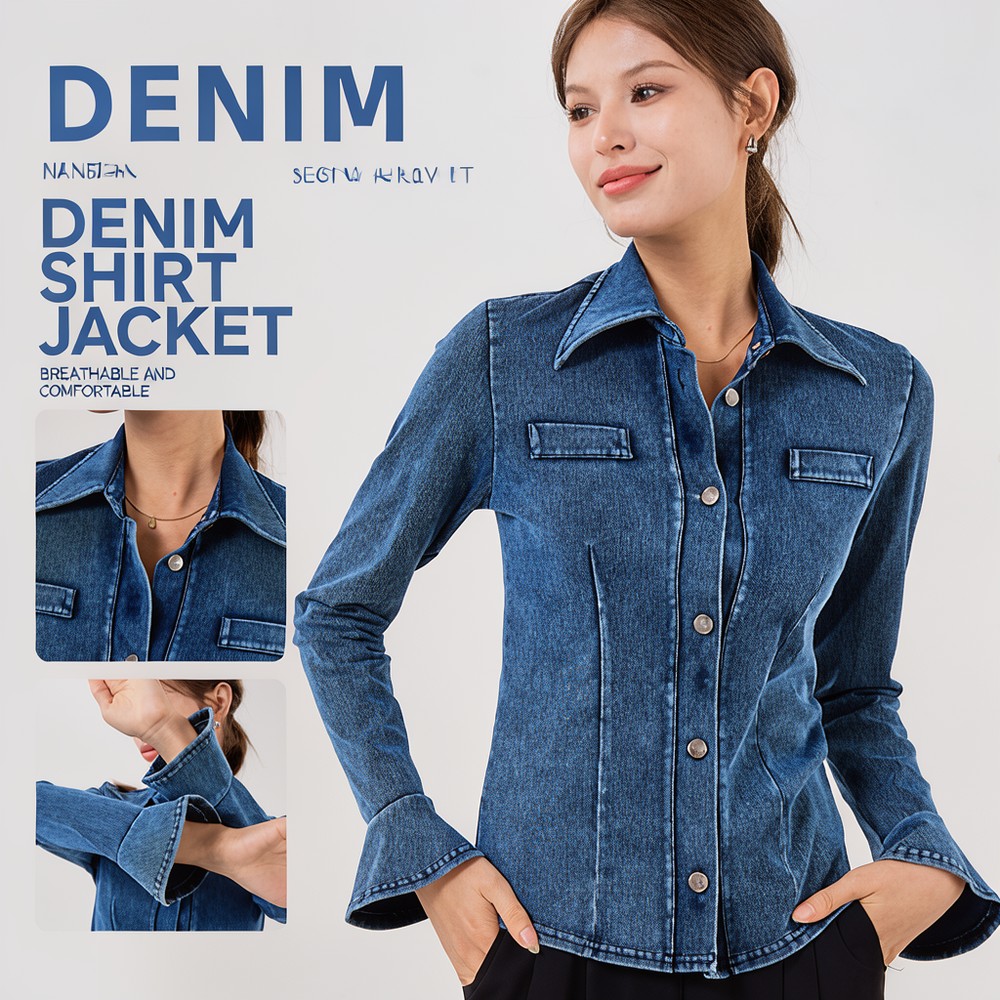
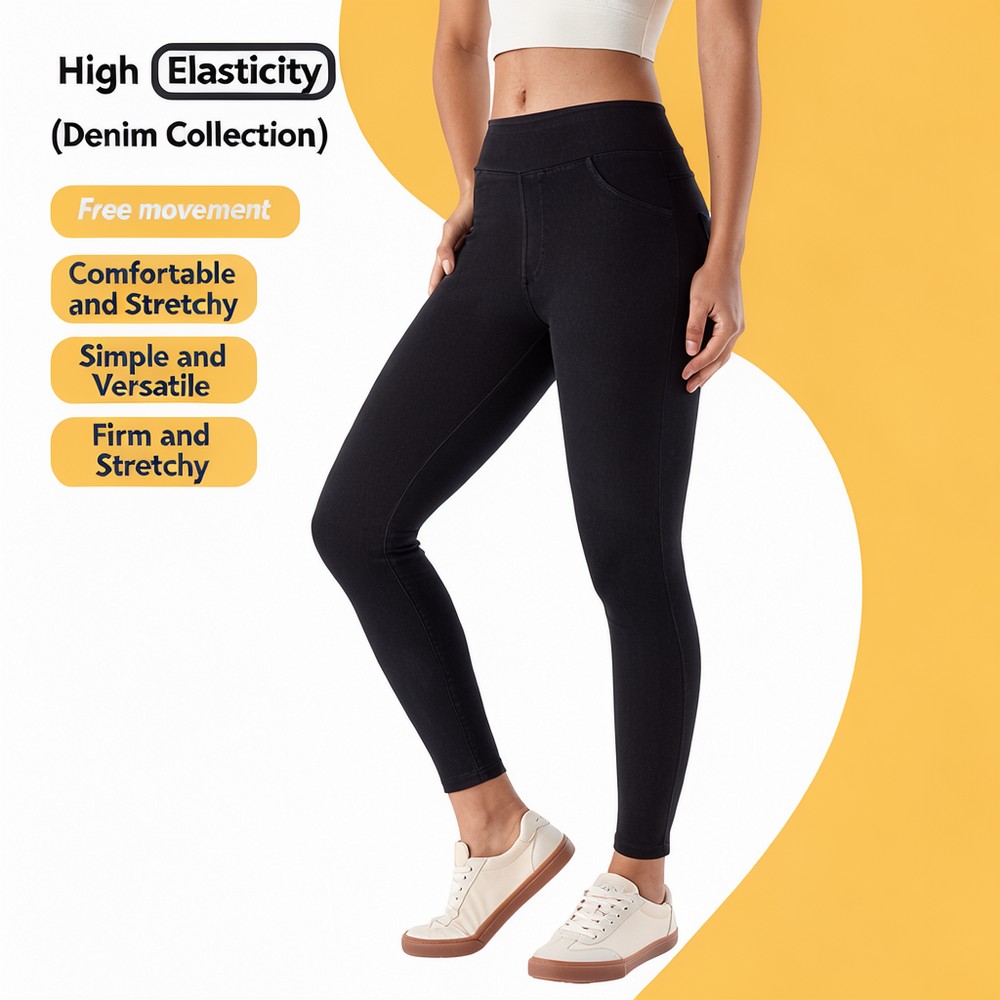
Sets sell twice and return twice
Denim sets are bought by DTC labels making a launch statement, wholesale accounts that want one SKU instead of two, and resort or festival brands selling a matched look. The launch buyer needs 300 sets in one color; the wholesaler usually wants a 1:1 ratio and separate packing so a jacket can be reordered alone.
The risk is the ratio. Jeans and jackets do not sell at the same speed: a jacket often outlasts three jean reorders, or the reverse in a warm market. If you pack a 1:1 set and the jean sells out first, you are left with jackets that cannot be sold as a pair. We recommend packing separately with a shared hangtag after the first season, and printing the shade band code on both labels so a later reorder can be matched. We keep that code on file for two years.
- Fix the piece ratio from your first season's sell-through, not from a guess.
- Keep both pieces on one shade band and record the roll range.
- Pack separately after season one so a single piece can be reordered.
What is the minimum order for a denim set?
300 pcs per style per color, counted per piece. A 1:1 set order of 300 therefore means 300 jackets and 300 jeans, 600 garments in total, and the two pieces are quoted together at one unit price. Piece costs are itemised inside that price.
Can you guarantee the jacket and jeans match in shade?
Within 1 ΔE, yes, when both pieces are cut from one shade band and washed in the same drum batch. Sets cut from separate fabric lots commonly drift 1.5–2 ΔE after a stone wash, which is visible in daylight beside each other.
Can I order the jacket and jeans separately later?
Yes. We keep the pattern, the wash recipe and the shade band code on file, so a jacket-only reorder of 300 pcs runs in 25–35 days. Matching a reorder to an older jean lot is the one case where we ask for a physical sample.
Do you pack sets in one bag?
Either way. Single-bag packing with one hangtag and one size sticker is common for a launch; two bags with a shared hangtag let you split the pair at retail. Both options cost the same at 300 sets. A shared hangtag carries one barcode for the pair.
How long does a denim set sample take?
7–10 working days for both pieces when the fabric and wash are in stock, and 10–14 if a new wash is developed. We send the jacket and the jean together so the pair can be approved as a set rather than piece by piece.
Tell us what you want to make
Share the style, target quantity and launch date. You get fabric options, wash recommendations, a sampling date and a factory-direct quote — usually within 12 working hours.