Denim Washing That Holds Its Shade After 30 Washes
Denim washing in-house: 12 stock recipes, 300–600 pcs per drum, 6–9 hour cycles, ZDHC-aligned chemistry and a shade check on every drum.
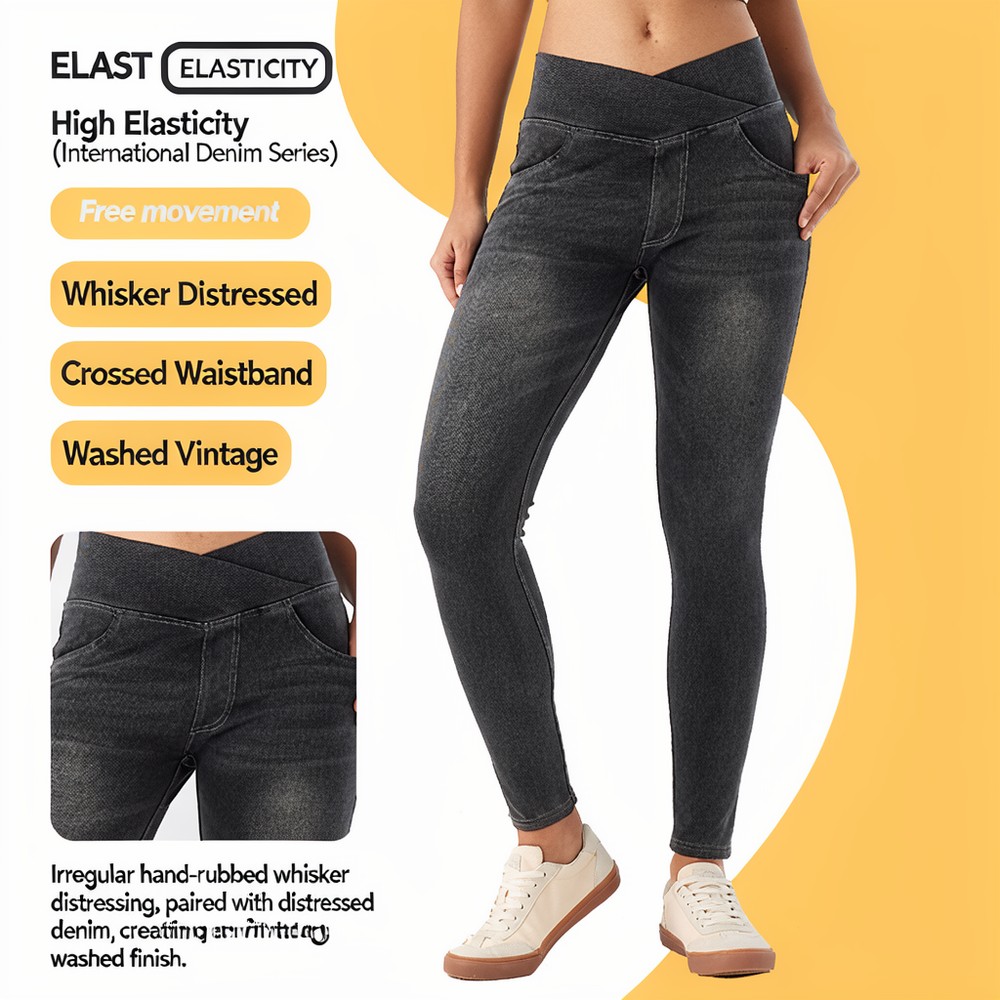
A wash is a recipe, not a color name. Stone, enzyme, acid, bleach, overdye, tint, whisker, destroy, ozone, laser, resin and rinse run in our four-line laundry, each with a fixed chemical dose, temperature and cycle length.
One drum takes 300–600 pcs and runs 6–9 hours from load to unload. That is long enough to soften a 14.5 oz rigid twill and short enough to hold a 3,000 pc order inside a 25–35 day bulk window.
- 12 stock recipes, or a target shade developed from your swatch
- 300–600 pcs per drum batch, 6–9 hours per cycle
- ZDHC-aligned chemistry with zero-discharge options
- Shade read against the approved standard on every drum

Load, desize, wash, rinse, soften, extract, dry. Desizing matters more than buyers expect: residual starch on the warp keeps indigo from breaking, so a skipped desize gives a flat, gray cast that no amount of stone can fix.
Enzyme runs sit at pH 4.5–5.5 and 40–55°C. Stone runs use screened pumice at 0.5–2 kg per 100 kg of garment load. Bleach runs need an anti-chlor and a neutral rinse before softener. Every bath is logged by drum number, so a shade complaint can be traced to one load.
- Desize in a separate bath before any abrasion
- Enzyme at pH 4.5–5.5, 40–55°C, 45–60 minutes
- Pumice 0.5–2 kg per 100 kg of garment load
- Neutral rinse and anti-chlor before softener
Three finishes that cover most denim ranges, each starting from a stock recipe.
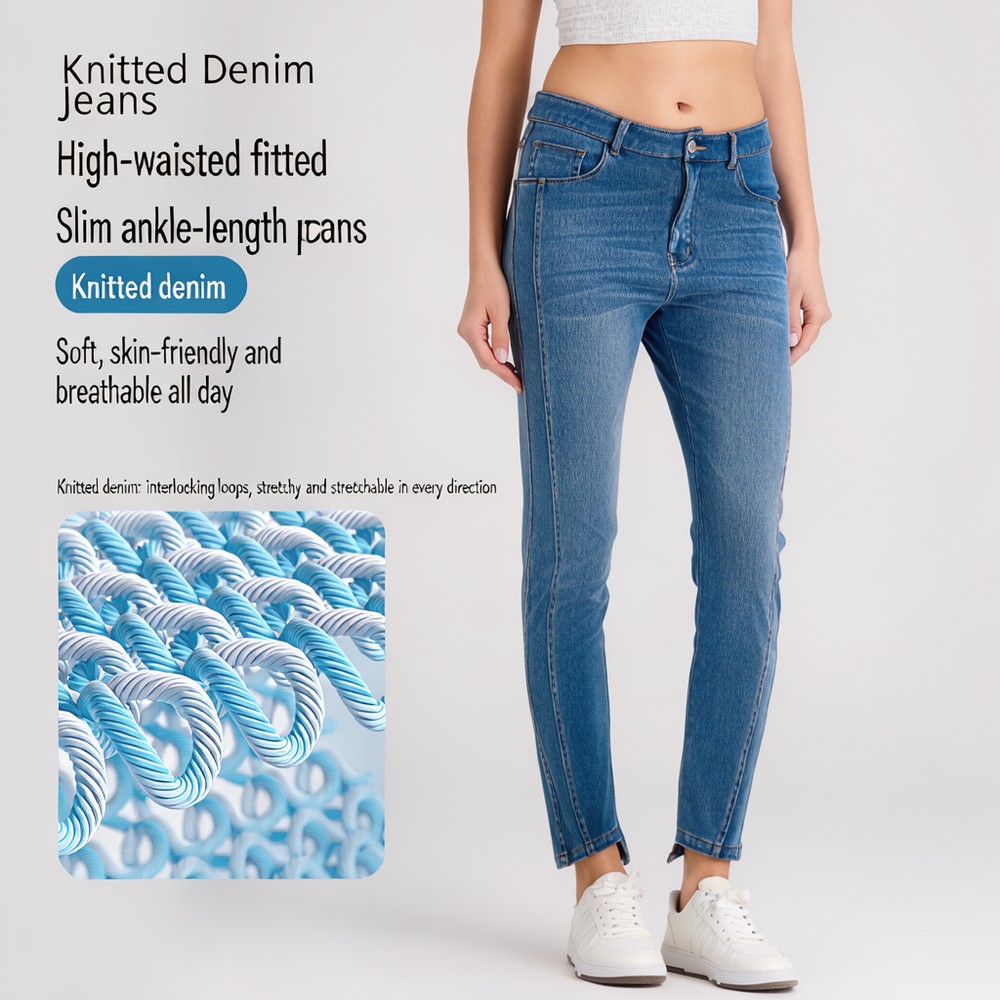


Indigo is a dye that moves. Between two lots of the same fabric, the same recipe can land 1–2 ΔE apart, and a buyer reads that as a different jean. We keep a retained standard per wash and read each drum against it under D65 light before it leaves the laundry.
Hand-feel drifts too. A 10-minute overrun in the softener bath turns a crisp 12 oz into a limp 10 oz in the hand. Panel checks at the drum, not at the end of the line, are what keep the third order matching the first.
- Retained wash standard kept for every approved recipe
- ΔE read under D65 light, drum by drum
- Hand-feel panel of 3 people against the retained sample
- Shrinkage checked after 3 home washes, 2–3% tolerance
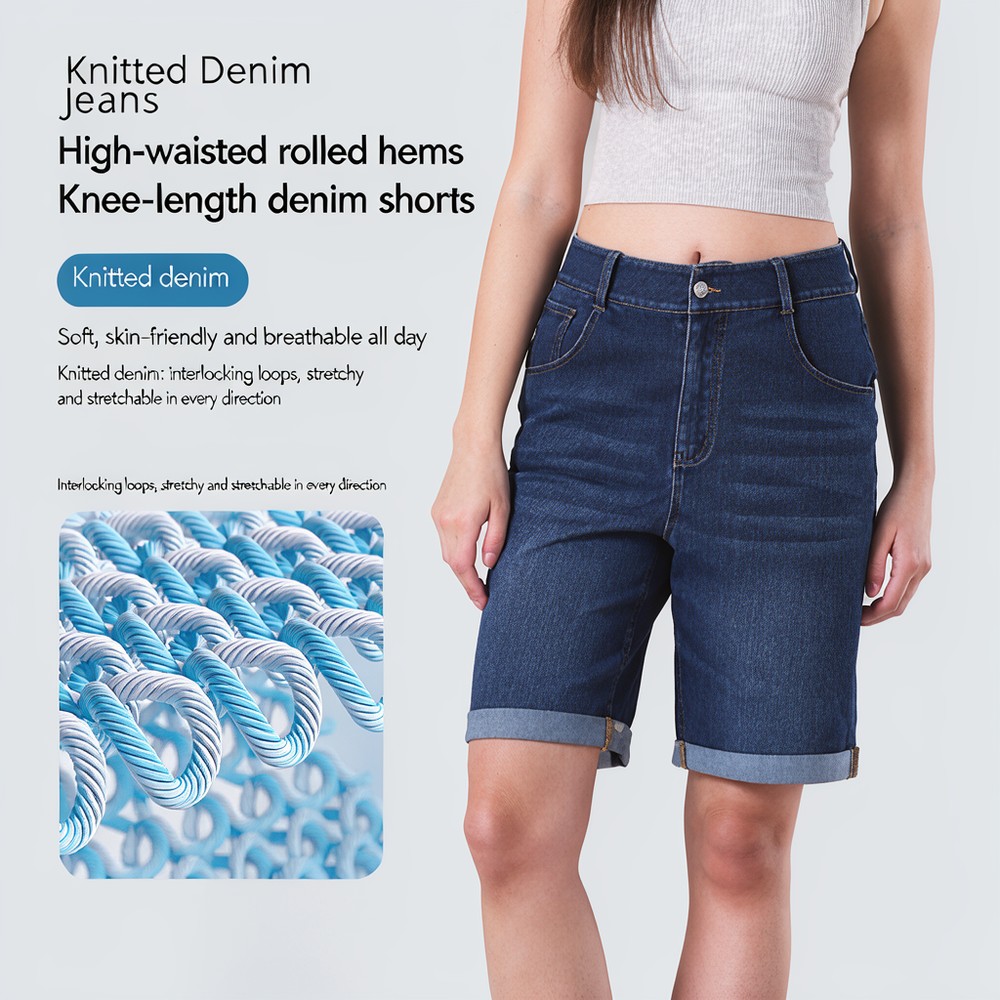
For a new wash developed from a physical swatch on a 1,200 pc order.
01 — Wash brief and recipe match
You send a garment or 30 cm swatch; we match it to the nearest of the 12 stock recipes. 1–2 days.
02 — Lab dips
Three swatches at different bleach or enzyme levels, dried and read under D65. 2–3 days.
03 — Full-garment sample
One pair washed to the chosen dip, with hand-feel and shrinkage noted. 4–5 days, so 7–10 days total.
04 — Wash standard approval
You approve the retained standard; it is sealed and kept for every later drum. 2–3 days.
05 — Bulk wash
Cutting and sewing first, then 300–600 pcs per drum at 6–9 hours, shade-checked before packing. 25–35 days.
- Laundry lines: 4 lines, 12 stock recipes
- Batch size: 300–600 pcs per drum
- Cycle time: 6–9 hours, load to unload
- Recipes: Rinse, stone, enzyme, acid, bleach, overdye, tint, whisker, destroy, ozone, laser, resin
- Enzyme conditions: pH 4.5–5.5, 40–55°C, 45–60 minutes
- Stone: Pumice 0.5–2 kg per 100 kg garment load
- Shade tolerance: ΔE 1.0 or under against the retained standard under D65
- Shrinkage: 2–3% after 3 home washes, declared on the care label
- Chemistry: ZDHC-aligned; zero-discharge options on request
- Water: Bath reuse with membrane treatment where the recipe allows
- Sampling: 7–10 working days, 10–14 with a new wash
- Bulk: 25–35 days after PP approval
Where a wash budget actually goes
Wash is the variable that moves both the unit cost and the calendar. A rinse adds hours, a heavy destroy adds a hand-sanding stage, and a bleach recipe needs an extra neutralization bath plus wastewater treatment. Buyers who lock a wash before the fabric is cut get a stable price; buyers who approve after cutting pay for re-washing or, worse, for a second dye lot.
The trade-off is hand-feel against strength. Every extra minute of stone or enzyme softens the cloth and removes some of it: a heavy stone wash can take 15–20% off tear strength. For a fashion jean that is acceptable. For workwear or a garment washed weekly for two years, a rinse plus a light enzyme gives a softer hand without giving away the seam.
- Fashion and DTC: heavy stone or destroy, accept 15–20% strength loss.
- Everyday retail: enzyme plus rinse, 2–3% shrinkage, 30-wash durability.
- Workwear and raw: rinse only, no abrasion, full tear strength retained.
What is the difference between stone wash and enzyme wash?
Stone wash uses pumice to abrade the cloth physically, which breaks indigo and softens the surface but can damage seams and leaves dust. Enzyme wash uses cellulase at pH 4.5–5.5 to bio-polish the surface, so it softens without pumice residue. Most of our recipes combine a short stone with an enzyme bath.
How long does a denim wash take?
6–9 hours per drum from load to unload, including desize, the wash baths, rinses, softener, extraction and drying. The range depends on the recipe: a rinse is at the short end, a bleach plus overdye plus tint at the long end.
Can you match a wash from a photo?
A photo narrows the direction but cannot be approved. Send a physical garment or a 30 cm swatch of the target shade; we return three lab dips in 7–10 days and run bulk only against an approved retained standard, which prevents the shade drift that photo matching causes.
What is the minimum wash batch size?
A drum takes 300–600 pcs, so the practical minimum is 300 pcs per style per color. Smaller tests can run in a sample drum, but they are for approval only. Bulk wash is scheduled after sewing, inside the 25–35 day production window.
Do you offer zero-discharge washing?
We run ZDHC-aligned chemistry and offer zero-discharge options on request, using membrane treatment and bath reuse where the recipe allows. Which recipes qualify depends on the dyes and softeners used, so we confirm it per wash and can supply third-party wastewater test reports on request.
Tell us what you want to make
Share the style, target quantity and launch date. You get fabric options, wash recommendations, a sampling date and a factory-direct quote — usually within 12 working hours.