Laser and Ozone Finishing Without the Sanding Dust
Laser and ozone denim finishing: 45–90 seconds per pair on 12–14 oz rigid, zero water in the ozone chamber and full permanganate control.

Laser and ozone replace two of the dirtiest steps in denim: hand sanding and hypochlorite bleaching. A laser burns the indigo off a 12–14 oz rigid pair in 45–90 seconds; a hand-sander takes 15–20 minutes and throws silica dust into the air.
Ozone runs in a closed chamber with no water in the process. It gives a bleach effect on indigo without a bleach bath, and the exhaust is destroyed before it leaves the unit. Together the two finish most of our vintage and distressed looks.
- Laser on 12–14 oz rigid, 45–90 seconds per pair
- Ozone chamber with 0 water in the process
- Permanganate spraying with full neutralization
- Fume extraction and dust control at every station
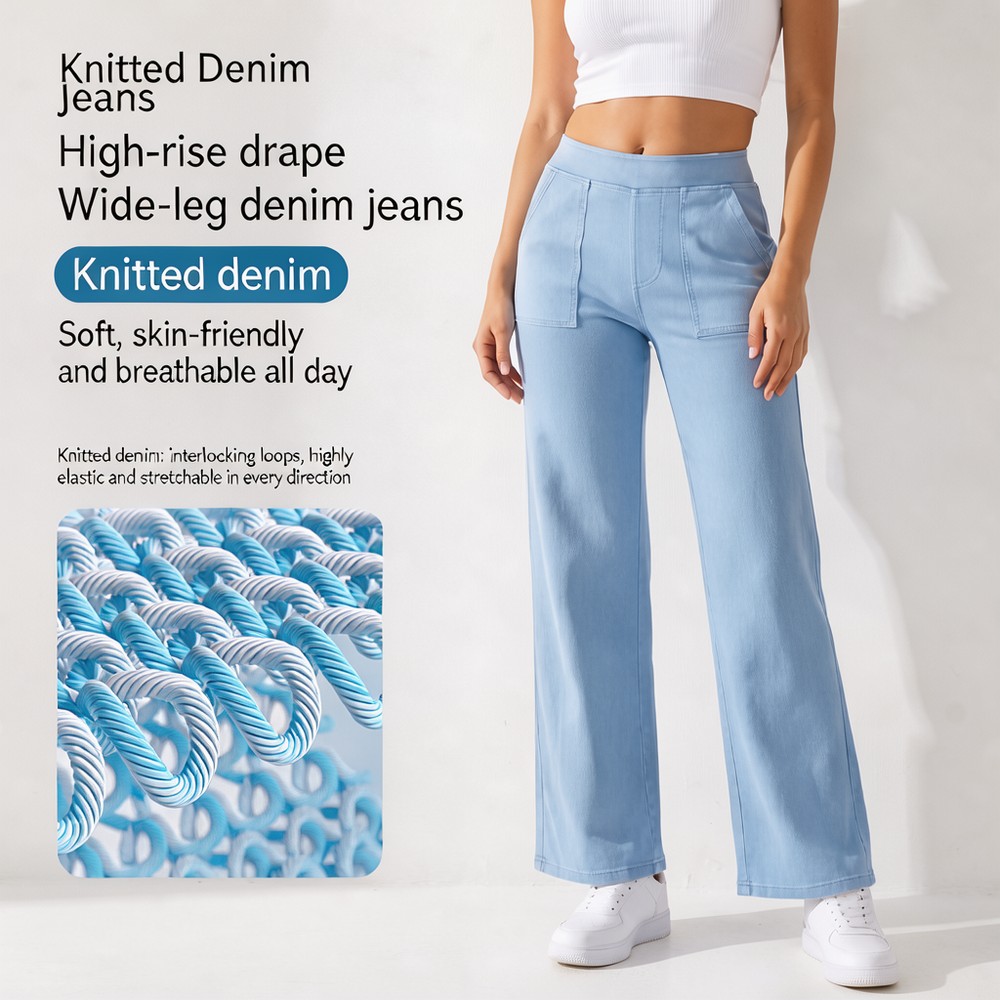
A laser does not fade denim; it vaporizes the indigo on the surface. The file is built as a gray-scale map, where each gray level maps to a power and dwell setting. On 12–14 oz rigid denim, 45–90 seconds per pair covers both front legs with whiskers, chevrons and a hem fade.
The limit is the cloth, not the machine. Below 11 oz the beam can cut into the weft; above 2% elastane the edges char and the stretch dies. We run a 3-pair test at the proposed settings before any production file is released.
- Gray-scale file at 300–600 dpi, mapped to power and dwell
- Tested on 3 pairs before the production file released
- Not run below 11 oz or above 2% elastane
- Fume extraction through a 3-stage filter
Three looks that are hard to run by hand and repeatable from a saved file.
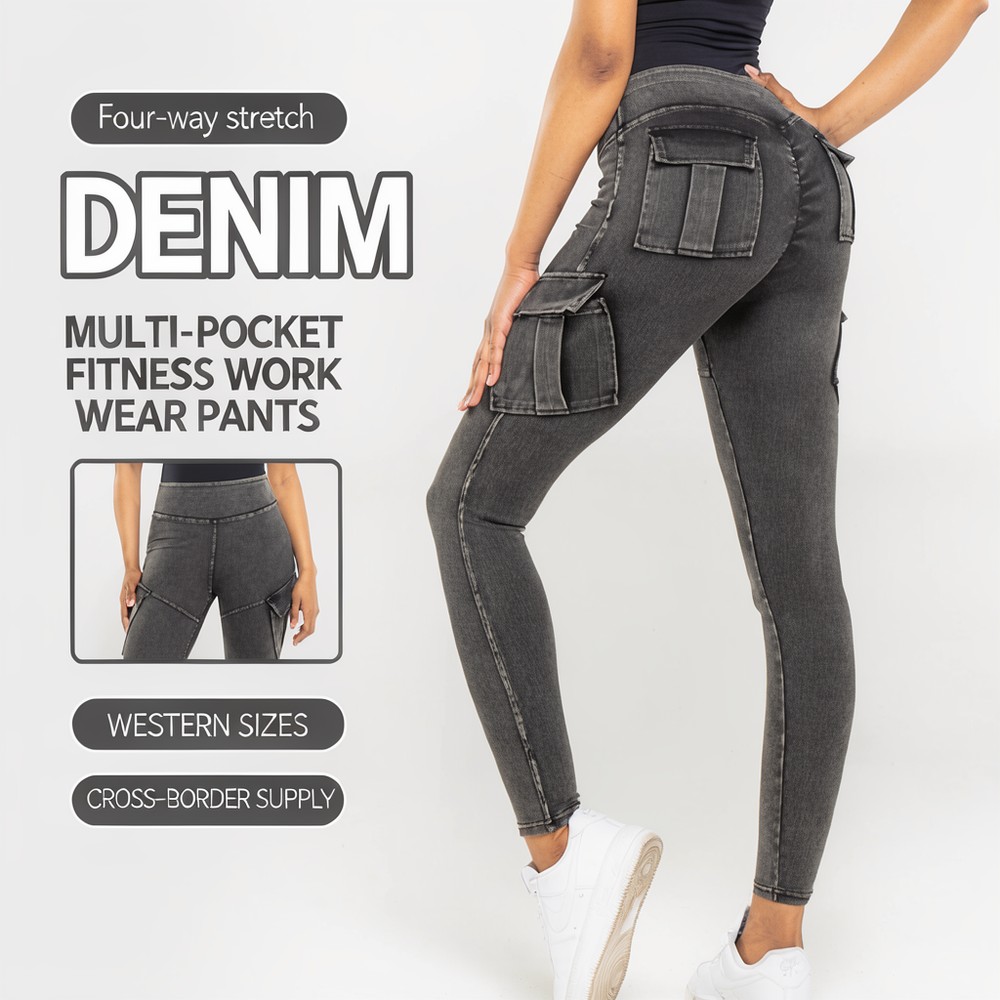
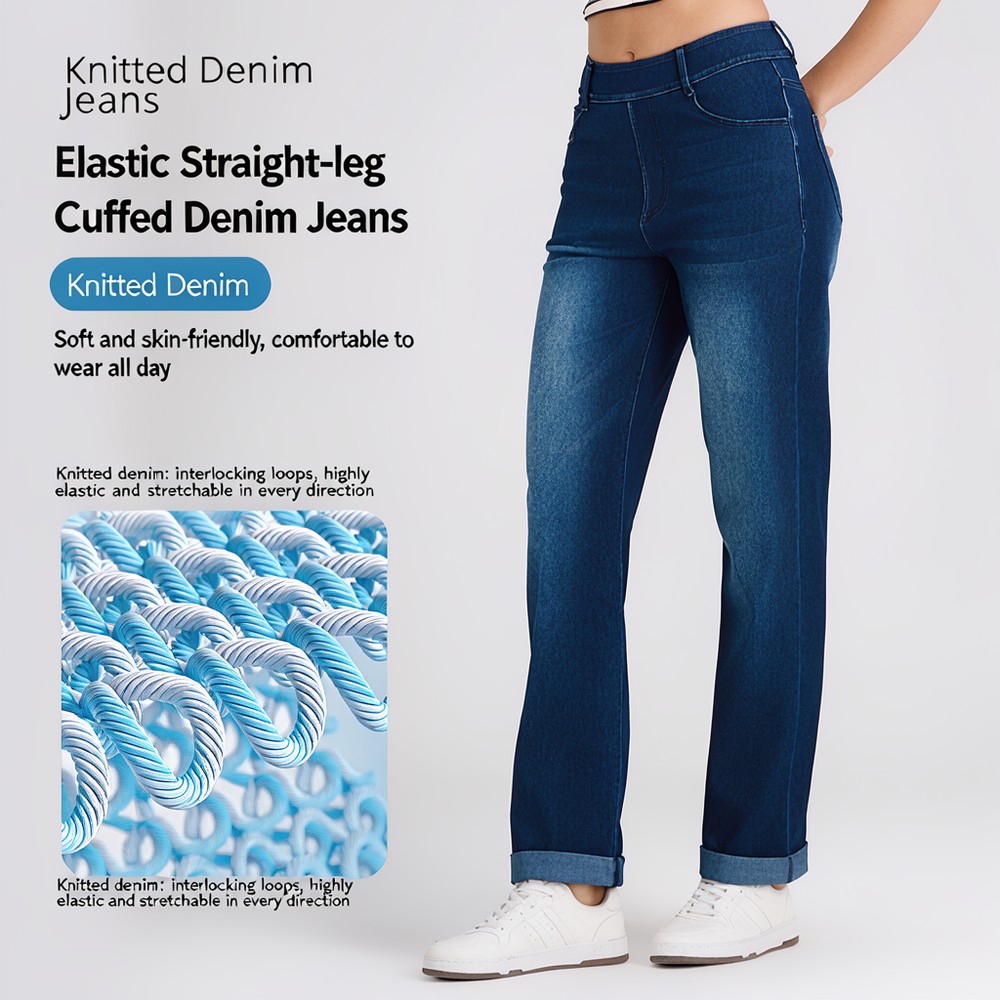
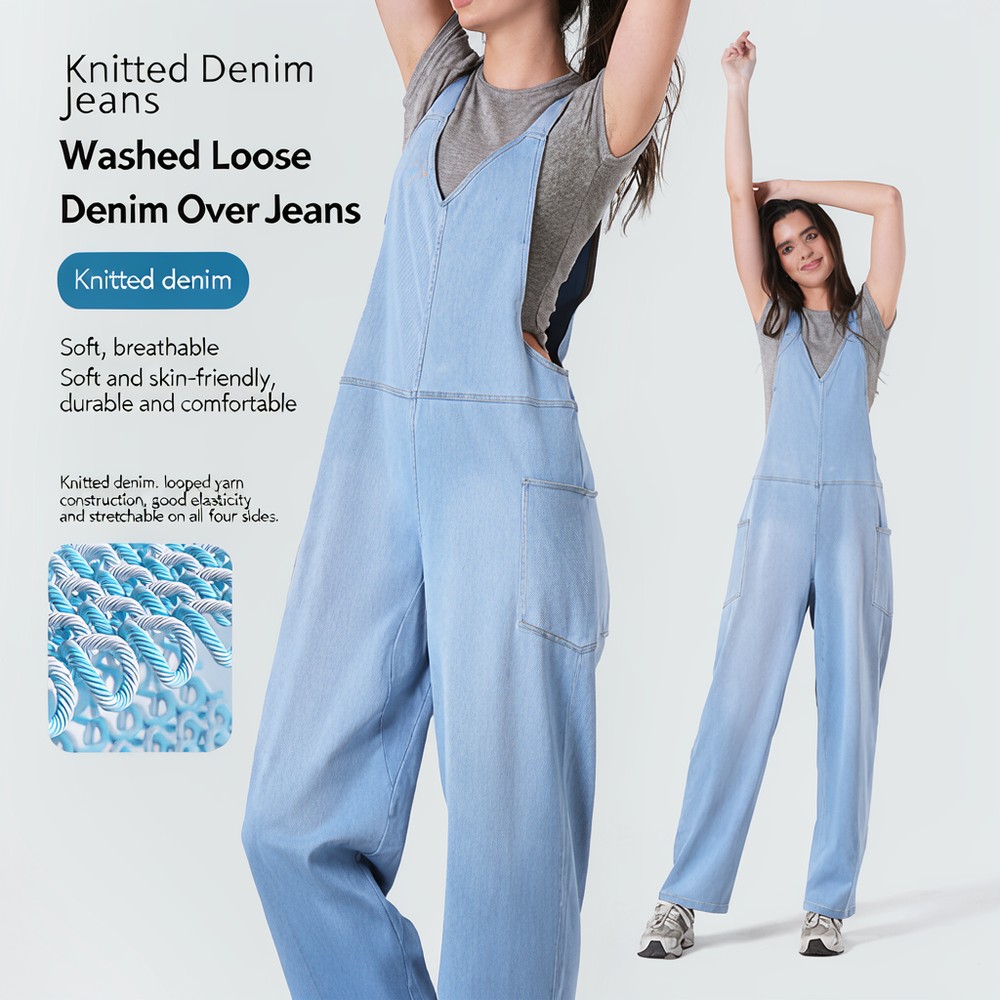
Laser scorch shows as a brown halo at the edge of a whisker, and it appears 20–40 seconds after the beam passes, not during. We inspect under a 500 lux bench lamp, not daylight, because daylight hides it. A scorched pair cannot be re-lasered; it becomes a second.
Permanganate is the other risk. Sprayed at 2–6%, it oxidizes indigo to a brown tone that must be neutralized with sodium metabisulfite within minutes, or the cloth yellows and the seam edges rot. Concentration, dwell and neutralization are logged per batch.
- Scorch inspected under 500 lux, 20–40 seconds after the pass
- Permanganate at 2–6%, neutralized with metabisulfite
- Tear strength checked on 3 pairs per batch
- Ozone exhaust destroyed; no water in the chamber

For a vintage wash with whiskers, chevrons and an ozone bleach on 1,000 pcs.
01 — Artwork and file build
Your reference is mapped to a gray-scale file and placed on the pattern with measured coordinates. 2–3 days.
02 — Settings test
Three pairs at different power levels to find the edge without scorch. 2–3 days.
03 — Sample run
One pair per wash variant, lasered, ozoned and neutralized, then photographed. 3–4 days, so 7–10 days total.
04 — Approval and file lock
You approve the pair; the file, settings and ozone time are locked to the order. 2 days.
05 — Bulk finishing
Laser, ozone and permanganate run after sewing, 45–90 seconds per pair per station. 25–35 days.
- Laser type: CO2, 10.6 µm, 60–120 W
- Fabric range: 12–14 oz rigid, up to 2% elastane
- Cycle time: 45–90 seconds per pair, two front legs
- Hand-sanding equivalent: 15–20 minutes per pair
- File format: Gray-scale bitmap at 300–600 dpi
- Ozone water use: 0 liters in the chamber process
- Ozone cycle: 15–40 minutes per batch
- Permanganate: 2–6% spray, metabisulfite neutralization
- Scorch inspection: 500 lux bench lamp, 20–40 seconds after the pass
- Strength check: Tear test on 3 pairs per batch
- Sampling: 7–10 working days
- Bulk: 25–35 days after PP approval
Where laser pays back, and where it does not
Laser pays back on repeat patterns. The file is a one-time cost; after that the 45–90 second cycle replaces 15–20 minutes of hand sanding, and the 400th pair matches the first. On a one-off sample or a 300 pc test order, the file build and settings trial can take longer than the sanding they replace.
Ozone is cheaper on water and chemistry, but it is a chamber process: batches of 30–60 pcs, 15–40 minutes, and a shade that depends on humidity and load density. It is excellent for an even 2–4 shade lift and poor for sharp localized contrast. Most vintage looks need both: laser for edges, ozone for the overall cast.
- Repeat programs: the laser file pays back over the first 300–500 pcs.
- One-off samples: hand sanding is faster to the first pair.
- Even bleach: ozone. Sharp contrast: laser. Vintage: both.
Can laser replace hand sanding completely?
For most whiskers, chevrons and hem fades, yes: 45–90 seconds per pair against 15–20 minutes by hand, with the same result on every run. Hand detailing still wins for torn edges and localized wear that need a broken, irregular line rather than a programmed one.
Does ozone finishing use water?
No water is used in the ozone chamber itself. The garment may enter damp from a prior rinse, but the bleaching reaction is gas-phase, so there is no bleach bath and no bleach effluent. Ozone exhaust is destroyed in the unit before release.
What denim weights can you laser?
12–14 oz rigid is the reliable range, and we test 3 pairs at the proposed settings before releasing a file. Below 11 oz the beam can cut the weft; above 2% elastane the edge chars and loses stretch, so those fabrics go to hand sanding or ozone instead.
Is potassium permanganate safe on denim?
It is safe when controlled: sprayed at 2–6%, neutralized with sodium metabisulfite within minutes, and rinsed before drying. Operators wear respirators, and manganese in wastewater is treated. Unneutralized permanganate yellows the cloth and weakens seam edges within days. Batch logs are kept with the order file.
How much time does laser finishing add to production?
Nothing on the critical path if it is scheduled after sewing: 45–90 seconds per pair means a 1,000 pc order runs in 2–3 days on one laser station. The file build and settings test before bulk take 4–6 days and are part of the 7–10 day sampling window.
Tell us what you want to make
Share the style, target quantity and launch date. You get fabric options, wash recommendations, a sampling date and a factory-direct quote — usually within 12 working hours.