Jeans Hardware and Trims That Pass the Nickel Test
Custom jeans hardware from 300 pcs: YKK or local shanks, nickel-free rivets tested to EN 1811, and custom button dies in 10–15 days.
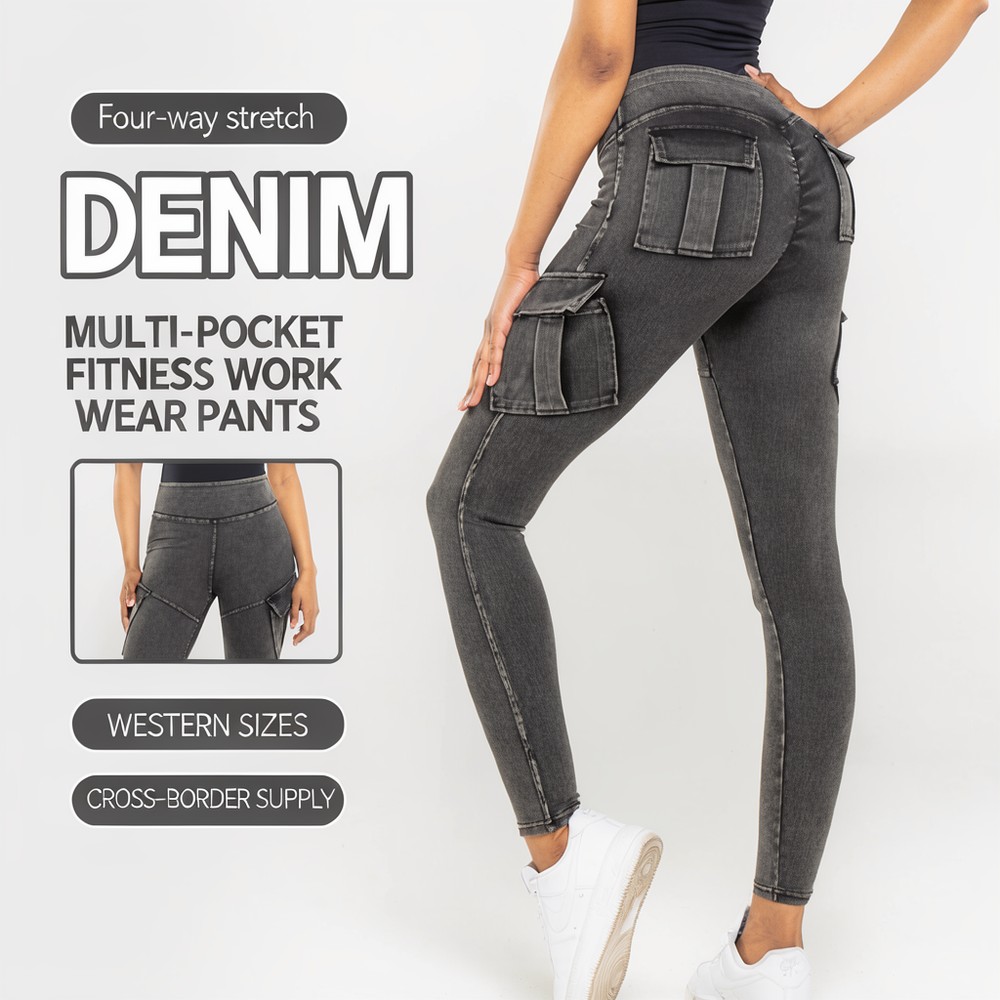
Hardware is the part of a jean a customer touches every day and the part that fails a compliance test. A shank button, a rivet, a zipper pull and a leather patch are four separate supply chains, and each carries its own lead time.
We stock YKK and local shanks, rivets in copper, nickel-free brass and matte black, and we test nickel release to EN 1811 before a carton ships to the EU. Custom dies for buttons and rivets run 10–15 days.
- YKK or local hardware, nickel-free options for EU and UK
- EN 1811 nickel-release testing before EU shipment
- Custom button and rivet dies in 10–15 days
- Plating in antique brass, gunmetal, matte black and copper
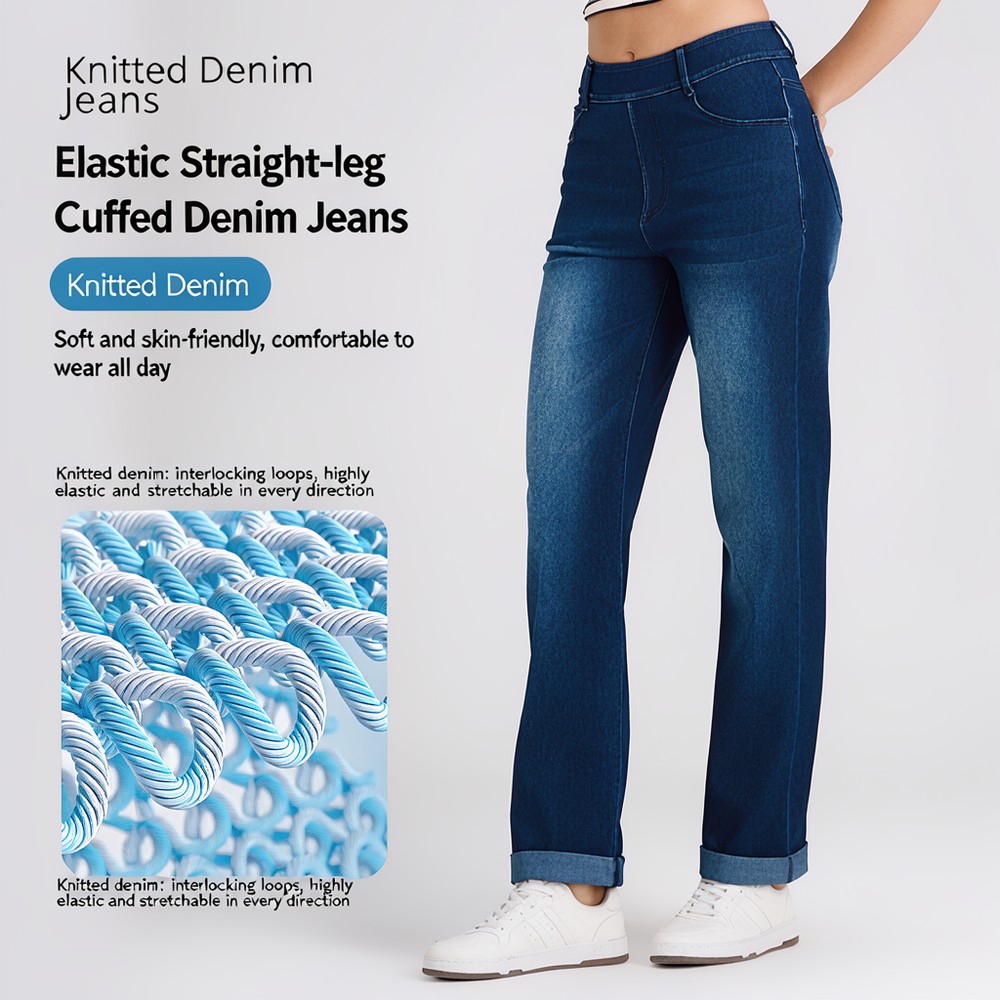
The shank button is two pieces pressed through the waistband; the rivet is two pieces pressed through the pocket corner. Both are set with a die on a press, and both will pull out if the die is worn or the fabric is a loose weave.
YKK hardware is consistent and audited, but a custom color runs 3–4 weeks. Local Xintang suppliers deliver stock finishes in 7–10 days and custom dies in 10–15. On a 300 pc order the local route usually wins on calendar; on a 5,000 pc program, YKK batch consistency is worth the wait.
- Shank buttons: 17 mm and 20 mm, two-piece, brass or zinc alloy
- Rivets: 9 mm cap, copper or nickel-free brass
- Zippers: YKK #4 and #5, metal or nylon, custom tape color
- Patches: genuine leather, synthetic, jacron paper
Three trim groups, each with its own die, finish and test requirement.
For the EU, EN 1811 sets nickel release at 0.5 µg/cm²/week for items in direct skin contact, and 0.2 for prolonged contact such as a waistband button. We send plated hardware to a third-party lab before the first EU shipment and keep the report with the order file.
Pull strength is the other failure. A rivet set into a loose weave can pull through at 60–80 N; a correctly set rivet on 13.5 oz twill holds 150 N or more. We pull-test 5 pcs per batch on a tensometer and keep the readings.
- EN 1811: 0.5 µg/cm²/week, 0.2 for prolonged contact
- CPSIA lead limit of 100 ppm for children's denim
- Pull test on 5 pcs per batch, 150 N target
- Salt spray 24–48 hours on plated finishes
For a custom shank button and rivet with nickel-free plating on 800 pcs.
01 — Brief and compliance check
Destination market, metal finish and logo artwork reviewed; nickel and lead rules flagged. 1–2 days.
02 — Die artwork and sample
Button and rivet dies quoted, with a 3D render or a physical hardware sample. 3–4 days.
03 — Trim set on garment
Hardware set on your denim, pull-tested and photographed for approval. 3–4 days, so 7–10 days total.
04 — Lab test and sign-off
Nickel release and lead tested, then the approved hardware is sealed with the order. 3–5 days.
05 — Bulk production
Hardware ordered against the production date and set in-line on a calibrated press. 25–35 days.
- Button: 17 mm and 20 mm shank, two-piece
- Rivet: 9 mm cap, copper or nickel-free brass
- Zipper: YKK #4 or #5, or local equivalent, metal or nylon
- Plating: Antique brass, gunmetal, matte black, copper, silver
- Nickel release: EN 1811: 0.5 µg/cm²/week, 0.2 for prolonged contact
- Lead: CPSIA limit of 100 ppm for children's denim
- Pull strength: 150 N target, 5 pcs tested per batch
- Salt spray: 24–48 hours with no base-metal corrosion
- Custom dies: 10–15 days for button and rivet logos
- YKK lead time: 3–4 weeks for a custom color
- Sampling: 7–10 working days
- Bulk: 25–35 days after PP approval
Where the hardware budget goes
Hardware is a small share of the unit cost and a large share of the complaint risk. A nickel-releasing button costs a fraction of a cent less than a compliant one and can trigger a recall in the EU. A rivet that pulls through after 20 washes costs a replacement pair plus the return shipping.
The time trade-off is real. YKK custom colors run 3–4 weeks; local dies run 10–15 days. If your order is 300 pcs for a first drop, the local route keeps you inside a 25–35 day bulk window. If you are building a 5,000 pc program across five colors, one YKK hardware standard removes the batch-to-batch plating variation that shows up in product photos.
- First drop under 1,000 pcs: local hardware and a stock finish.
- EU or UK launch: a nickel-release report before the first carton.
- Repeat program above 5,000 pcs: one YKK standard across colors.
Do you use YKK hardware?
Yes, YKK and local Xintang hardware. YKK is the safer choice for a long program because plating and spring tension stay consistent between batches, but a custom color runs 3–4 weeks. Local dies deliver in 10–15 days with a 7–10 day sample.
Is your hardware nickel-free?
We stock nickel-free brass, copper and plated finishes, and we test to EN 1811 before EU shipment: 0.5 µg/cm²/week for skin contact, 0.2 for prolonged contact such as a waistband button. Third-party reports are available on request per order. Ask for the report with the PO so the test is booked before production.
Can you make a custom logo button?
Yes. Send vector artwork and the die is cut in 10–15 days, then sampled on your denim. The die stays on file, so a reorder skips the tooling step. Complex 3D logos need a longer die and a higher minimum run, quoted per design.
How strong is a jeans rivet?
A correctly set 9 mm rivet on 13.5 oz twill should hold 150 N or more. Loose weaves and worn dies pull through at 60–80 N, which is why we test 5 pcs per batch on a tensometer rather than trusting the press setting alone.
What about lead in children's denim?
Children's jeans fall under CPSIA, which limits lead to 100 ppm in accessible components. We specify lead-free alloys for kids' orders, test the hardware before production and keep the report with the order file for customs or retail audits. Kids' orders ship with that report attached.
Tell us what you want to make
Share the style, target quantity and launch date. You get fabric options, wash recommendations, a sampling date and a factory-direct quote — usually within 12 working hours.